How Loud Is It? Decibel Levels of Everyday Sounds
Quick answer
Most household sounds sit between about 35 dB (a refrigerator hum) and 80 dB (a vacuum cleaner). Around 85 dBA is where NIOSH's occupational guideline starts limiting daily exposure, and impulsive sounds such as gunshots and fireworks can exceed 140 dB peak. A decibel figure only means something alongside the distance it was measured at and whether the sound is steady or sudden.
Estimate your own room's noise levelComparison of 12 everyday sounds
Sorted from quietest to loudest. Ranges are typical or illustrative published values, not measurements from SnapRoomScore, and individual sources vary. Each row links to a page with more detail.
| Sound | Typical range | Context |
|---|---|---|
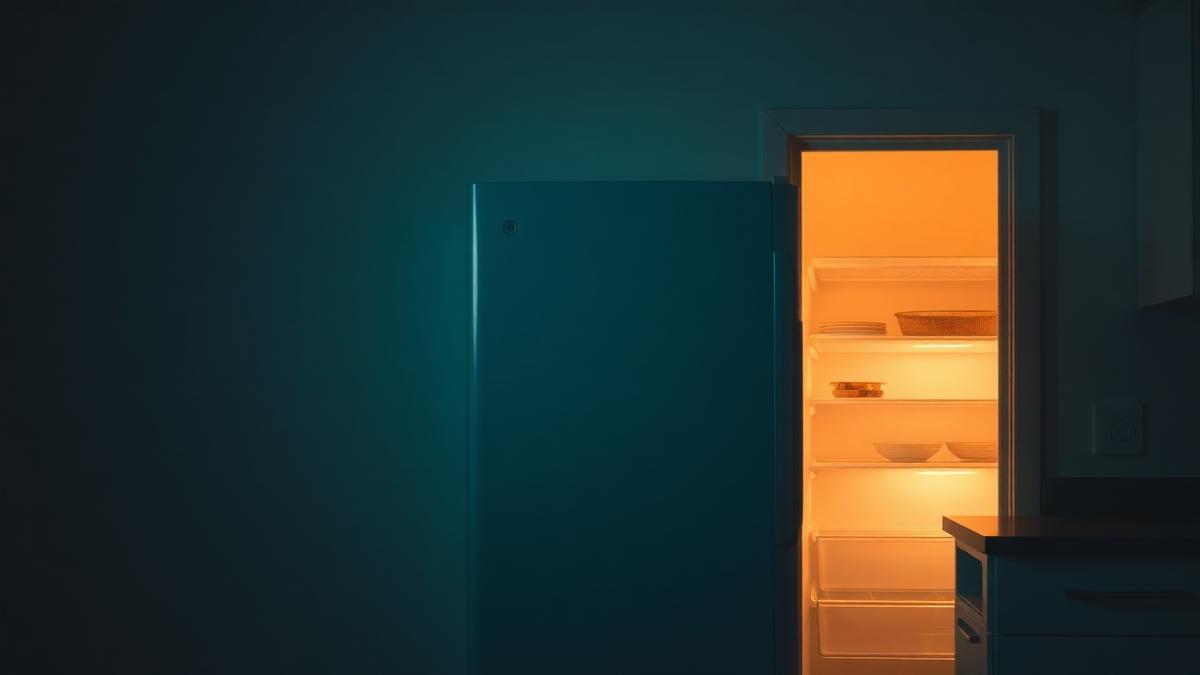
| A refrigeratorIntermittent | 35–50 dB | Cycles on and off; most noticeable at night in open-plan or studio homes. |
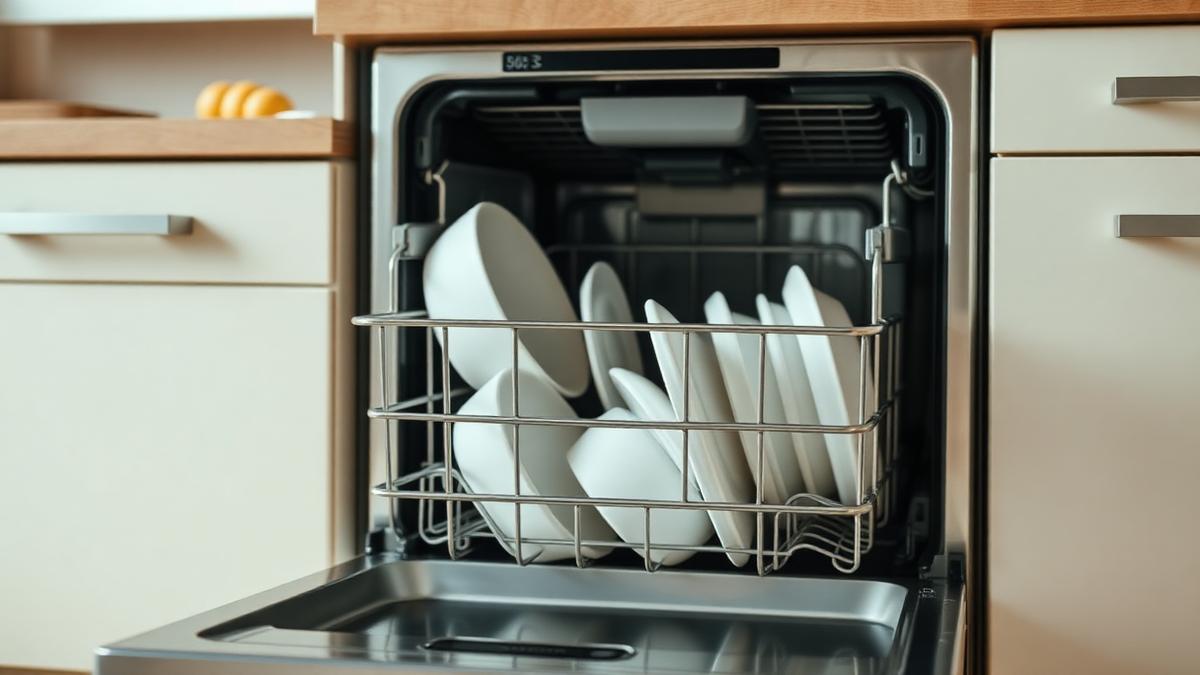
| A dishwasherIntermittent | 42–55 dB | Label figure is lab sound power; real kitchens vary by wash stage and cabinetry. |
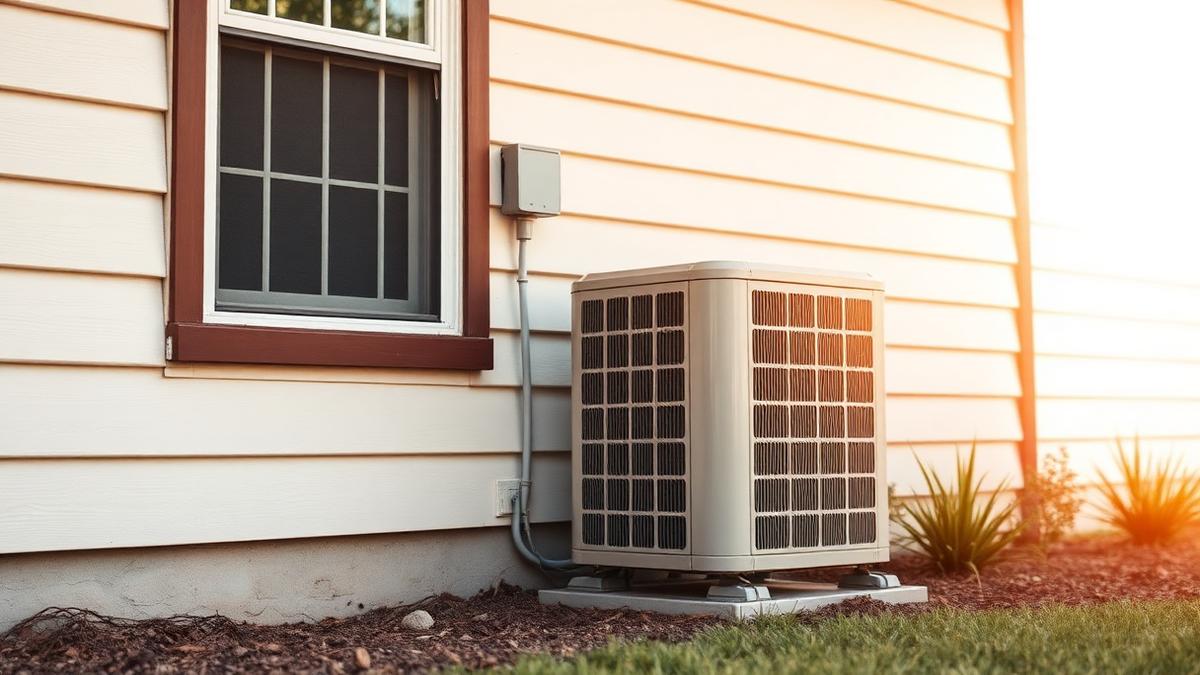
| An air conditionerContinuous | 50–75 dB | Depends on unit type: compressor indoors (portable/window) is far louder than a split system. |
| SnoringIntermittent | 50–90 dB | Near the sleeper; highly variable, and peaks matter more than averages. |
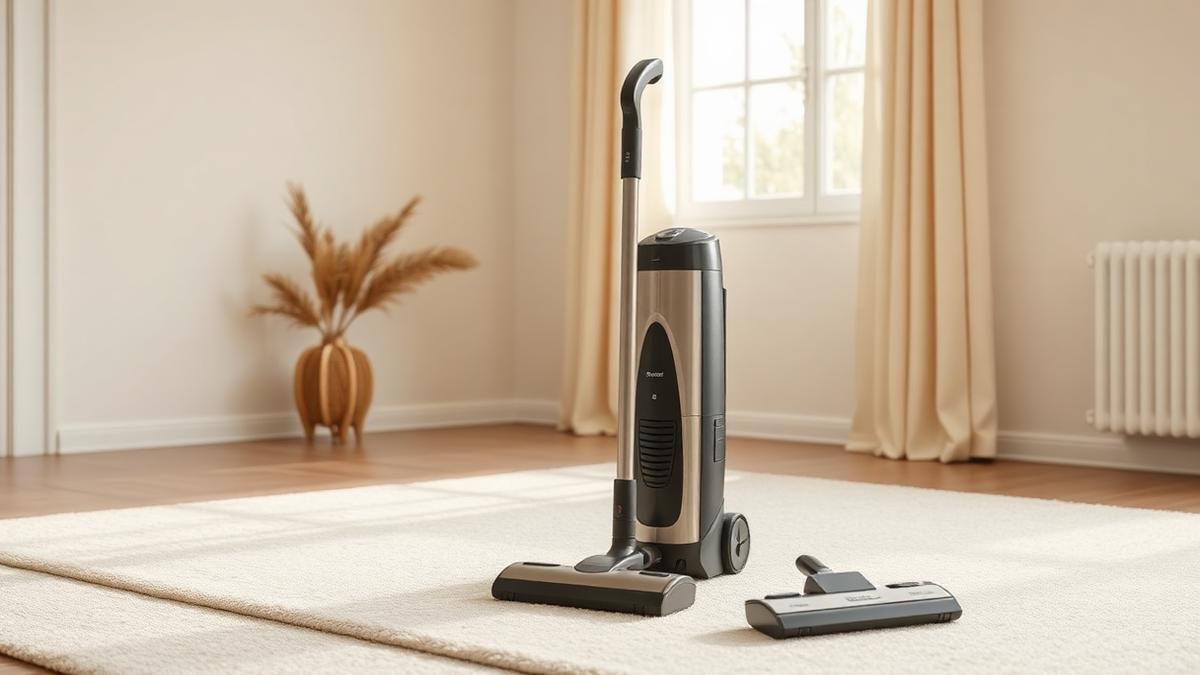
| A vacuum cleanerContinuous | 70–80 dB | About 1 m from the machine; hard floors and bare walls raise the reading. |
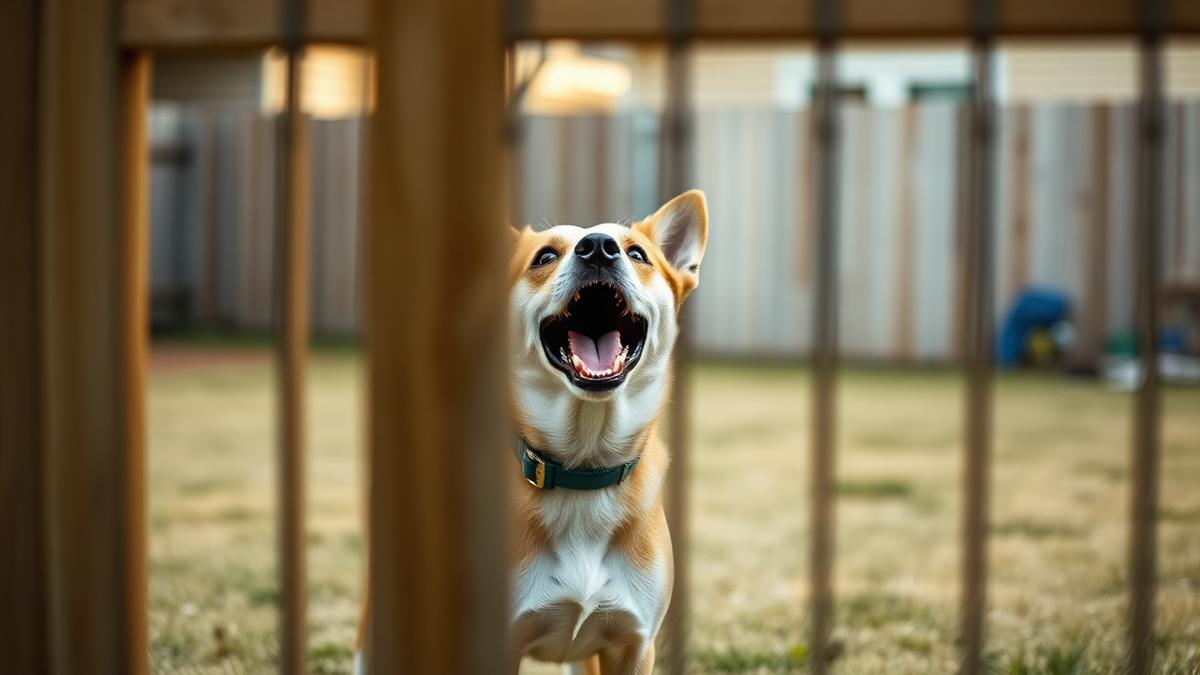
| A dog barkingIntermittent | 80–100 dB | 1–3 m from the dog; much lower through a wall, but sudden onsets make it disruptive. |
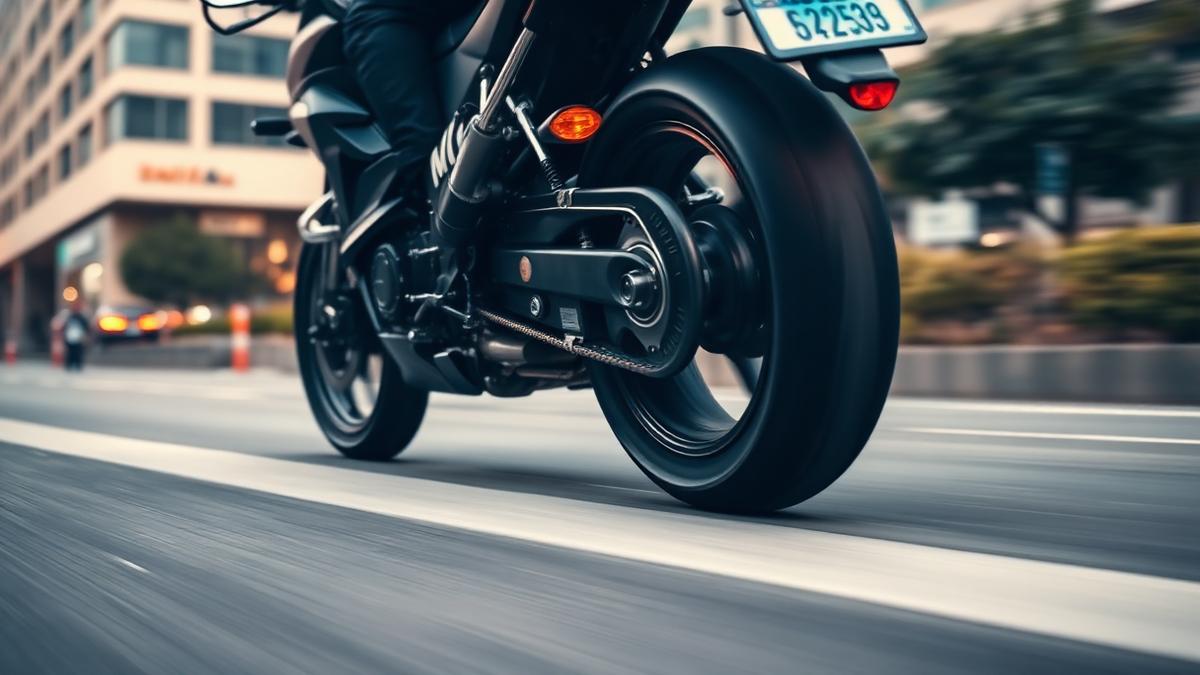
| A motorcycleContinuous | 80–105 dB | Roadside at 7.5 m; for riders, helmet wind noise is often the bigger exposure. |
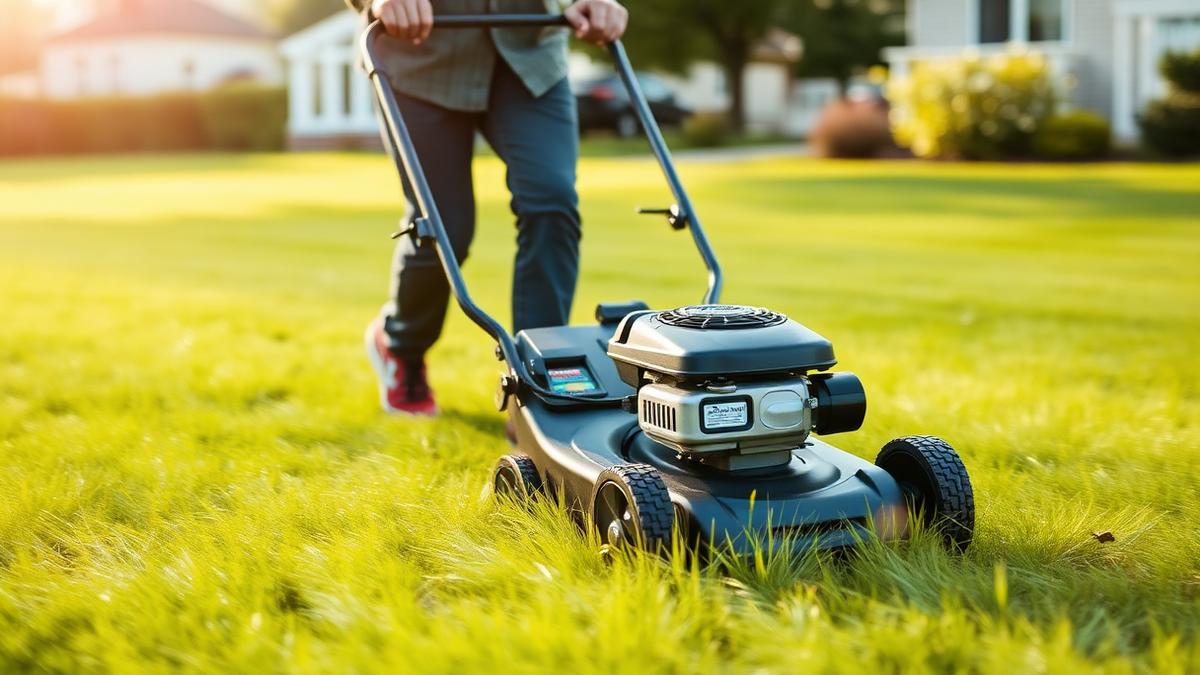
| A lawn mowerContinuous | 85–95 dB | Operator position; electric and robot mowers are much quieter than petrol. |
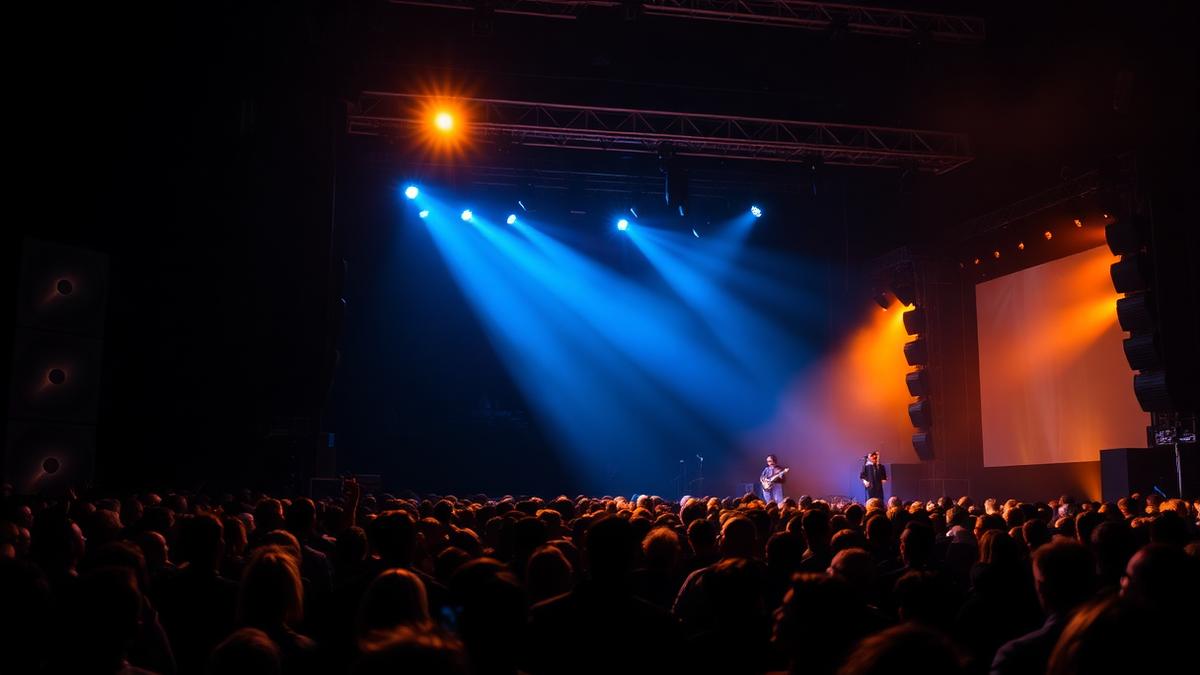
| A concertContinuous | 100–120 dB | Audience area; level depends heavily on distance from the speakers. |
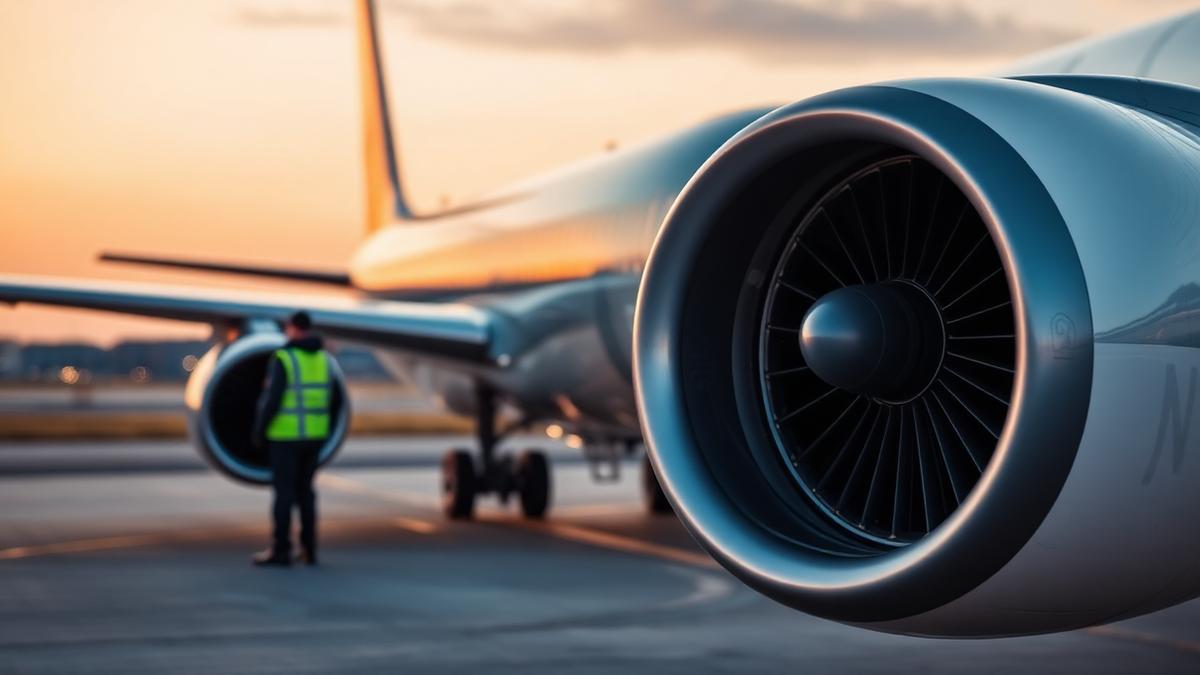
| A jet engineContinuous | 120–150 dB | Figures depend entirely on distance — always check where the meter stood. |
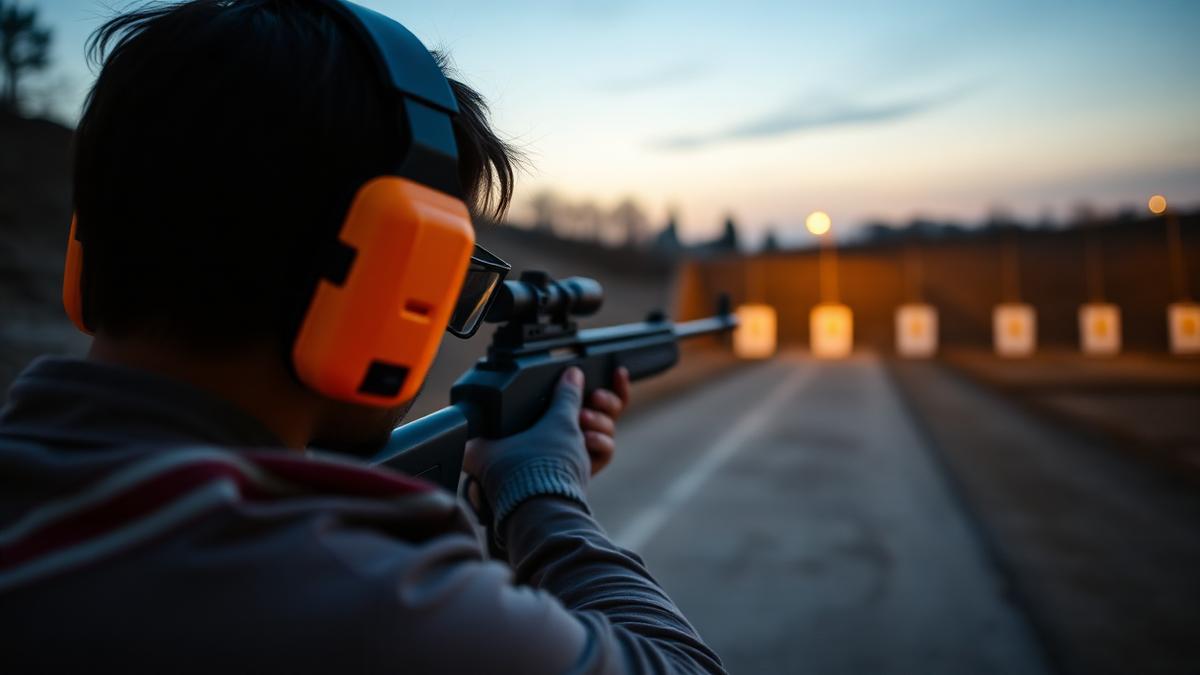
| A gunshotImpulsive | 140–175 dB | Peak level at the shooter's ear; far beyond what a phone or browser meter can capture. |
| FireworksImpulsive | 150–175 dB | Peak at detonation; spectators receive far less. Not measurable with a phone or browser meter. |
For a wider scale from breathing to 170 dB, see the decibel chart.
Continuous, intermittent and impulsive sounds
Continuous sounds, such as an air conditioner or a lawn mower, are usually described by an average level over time (for example LAeq, an A-weighted equivalent continuous level). Occupational guidance like NIOSH's 85 dBA over 8 hours applies to this kind of average.
Intermittent sounds — a fridge cycling, a dog barking, snoring — switch on and off. Their average can look low while individual bursts are what people notice and what disturbs sleep.
Impulsive sounds such as gunshots and fireworks last milliseconds and are described by their peak level. NIOSH recommends that unprotected exposure never exceed a 140 dB peak.
Background, average and peak levels
Any room has a background level — the quiet floor between events. On top of that sit the average over a period and the peaks from individual sounds. A refrigerator that adds 10–15 dB over a quiet night-time background can be more noticeable than a louder sound during a busy day. Our guide to normal noise levels at home explains these three levels in more detail.
Why distance changes the number
In open air, sound drops by roughly 6 dB each time you double your distance from a source. That is why a jet engine can honestly be described as 150 dB or 120 dB depending on where the meter stood. Indoors, reflections from walls and ceilings reduce the effect. Each sound page states the distance or conditions its figures refer to.
What a browser meter can and cannot tell you
SnapRoomScore estimates sound levels from your device microphone. The readings are uncalibrated and not A-weighted, and absolute values vary between phones, laptops and rooms. It is useful for comparing steady room noise before and after a change with the same device. It cannot measure very loud or impulsive sounds such as gunshots, fireworks or concerts — microphones saturate and miss millisecond peaks — and it is not a substitute for a calibrated sound level meter.