What Is a Normal Noise Level Inside a Home?
Last updated: May 22, 2026
Reviewed by acoustic research sources and WHO guidelines.
Every home has a baseline noise level, even when it seems completely silent. Understanding what is normal helps you identify problems and make your living space more comfortable.
In this article, we cover typical indoor decibel levels, what makes some homes quieter than others, common household noise sources, and how to measure your own home.
Table of Contents
- What Is a Normal Indoor Noise Level?
- Quiet Homes vs Noisy Homes
- Common Noise Sources in Houses
- Typical Household dB Levels Table
- Recommended Noise Levels Room by Room
- How to Measure Your Home's Noise
- Related Questions About Home Noise
- When Indoor Noise Is a Problem
- FAQ
What Is a Normal Indoor Noise Level?
A normal noise level inside a home typically ranges from 30 to 50 dB. This is the range most people consider comfortable and unobtrusive. Very quiet homes in rural settings can be as low as 25 dB, while urban apartments may have baseline levels of 45–55 dB.
The "normal" level depends heavily on several factors:
- Location – Urban homes are typically louder than rural ones
- Building construction – Older buildings often have thinner walls and less insulation
- Appliances – Every running device adds to the noise floor
- Time of day – Mornings and evenings tend to be louder than midday
- Number of occupants – More people and pets mean more noise
What Does 30–50 dB Sound Like?
- 30 dB feels very quiet – like a library or a bedroom at night
- 40 dB is the sound of a quiet residential street or light rainfall
- 50 dB is comparable to a quiet office or moderate rainfall
Quiet Homes vs Noisy Homes
There are significant differences between quiet and noisy homes. Understanding these differences can help you identify what is making your home louder than it needs to be.
Characteristics of Quiet Homes
- Thick walls and good insulation
- Double or triple-glazed windows
- Soft flooring (carpets, rugs)
- Modern, quiet appliances
- Located on quiet streets or in rural areas
- Sealed gaps around doors and windows
Characteristics of Noisy Homes
- Thin walls or shared walls with neighbors
- Single-pane windows
- Hard flooring (tile, hardwood) without rugs
- Older or poorly maintained appliances
- Located near busy roads, airports, or commercial areas
- Open floor plans that allow sound to travel
The Difference a Good Building Makes
A well-insulated modern home can reduce exterior noise by 25–35 dB. This means that even if traffic outside is 70 dB, the indoor level might only be 35–45 dB. An older building with single-pane windows might only reduce noise by 10–15 dB.
Not sure where your home falls? [Use SnapRoomScore to measure your rooms](/) and compare them to recommended levels.
Common Noise Sources in Houses
Understanding where noise comes from helps you target your solutions. Here are the most common noise sources found in homes:
External Noise Sources
- Traffic – Cars, trucks, motorcycles, and buses
- Aircraft – Especially near airports or flight paths
- Neighbors – Music, voices, pets, construction
- Nature – Wind, rain, birds (usually not problematic)
- Commercial activity – Nearby shops, restaurants, or construction sites
Internal Noise Sources
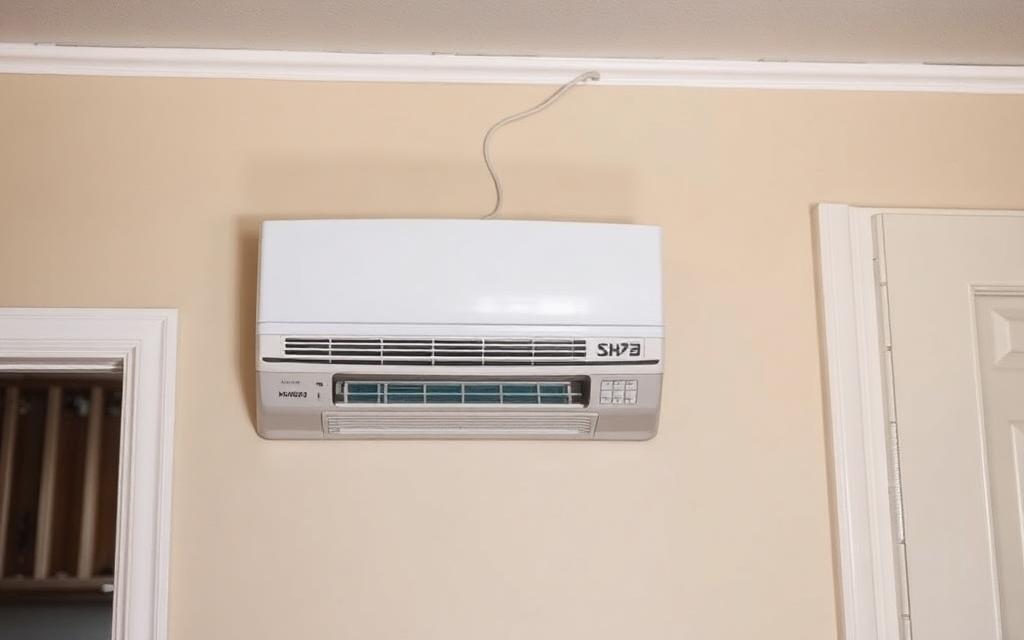
- HVAC systems – Air conditioning, heating, fans
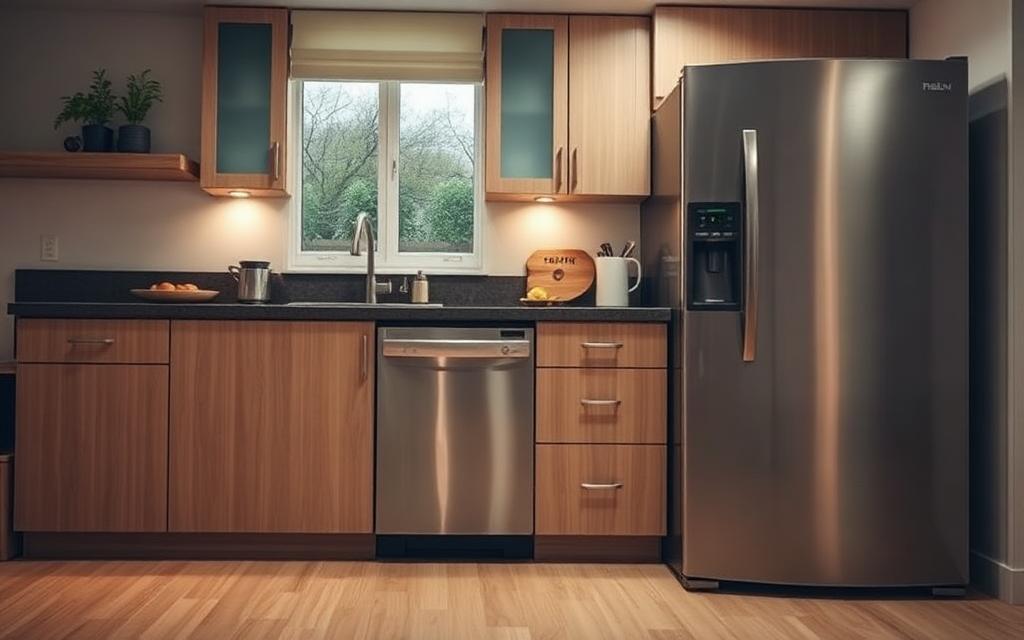
- Kitchen appliances – Refrigerator, dishwasher, microwave
- Laundry – Washing machine, dryer
- Electronics – TV, speakers, computers
- Plumbing – Water pipes, toilets, showers
- People and pets – Conversations, footsteps, barking
Typical Household dB Levels Table
Here is a comprehensive table of typical noise levels you might encounter at home:
| Sound Source | Typical dB Level | Category |
|---|---|---|
| Empty quiet room | 25–30 dB | Very quiet |
| Refrigerator hum | 35–45 dB | Quiet |
| Quiet conversation | 40–50 dB | Moderate |
| Air conditioning | 40–55 dB | Moderate |
| Normal conversation | 55–65 dB | Noticeable |
| Dishwasher | 45–60 dB | Moderate |
| Washing machine | 50–75 dB | Moderate to loud |
| Television at normal volume | 55–70 dB | Noticeable |
| Vacuum cleaner | 70–80 dB | Loud |
| Blender | 80–90 dB | Very loud |
| Dog barking | 80–90 dB | Very loud |
| PC or laptop cooling fan | 30–45 dB | Quiet |
| Bathroom extractor fan | 45–60 dB | Moderate |
| Microwave running | 55–65 dB | Noticeable |
| Toilet flushing | 60–75 dB | Noticeable to loud |
| Hair dryer | 80–90 dB | Very loud |
| Footsteps on hardwood upstairs | 45–65 dB | Moderate to loud |
| Rain against a window | 40–55 dB | Moderate |
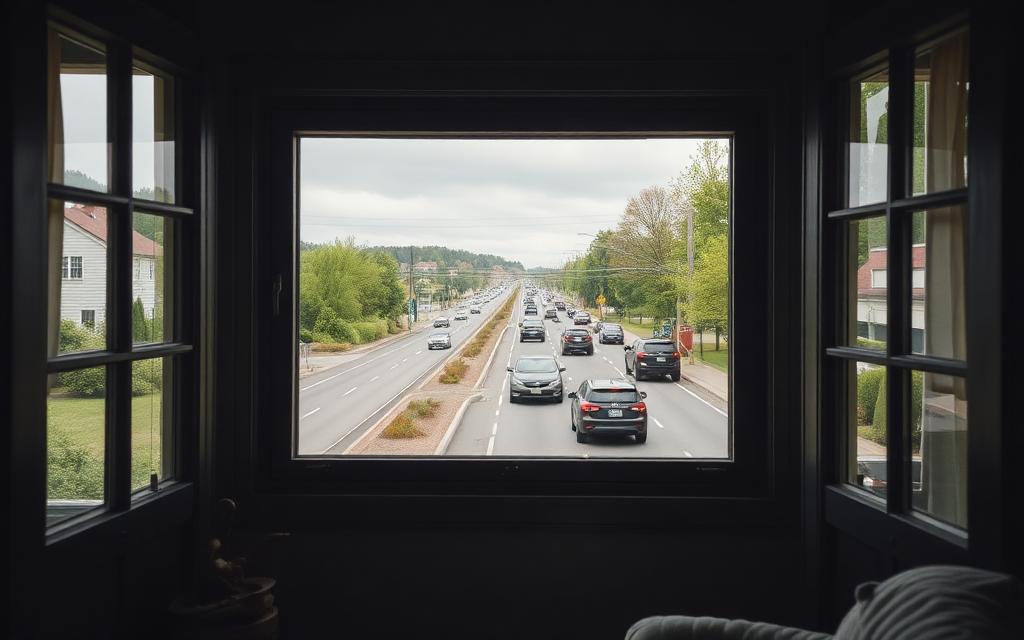
| Traffic heard through a closed window | 35–50 dB | Quiet to moderate |
Recommended Noise Levels Room by Room
Not every room needs to be equally quiet. A kitchen at 50 dB is perfectly normal; a bedroom at 50 dB is a sleep problem. Use this table as your target when you measure each room:
| Room | Recommended dB (background) | Acceptable maximum | Why |
|---|---|---|---|
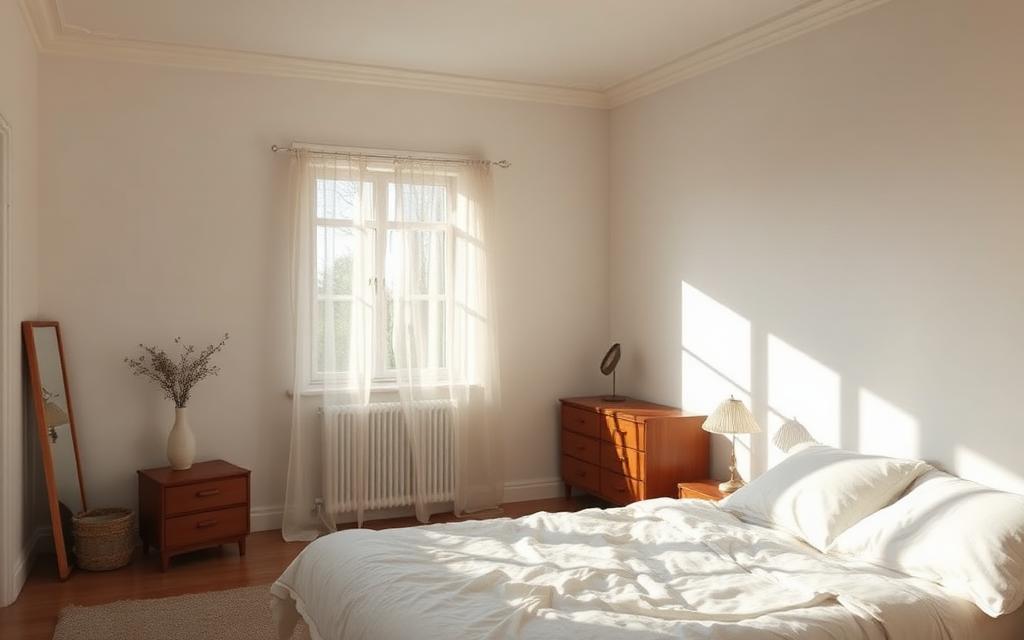
| Bedroom (night) | 25–30 dB | 35 dB | WHO advises under 30 dB for undisturbed sleep |
| Nursery / baby room | 25–30 dB | 35 dB | Infants sleep in longer light-sleep cycles and wake easily |
| Home office | 35–40 dB | 45 dB | Above 45 dB measurably reduces deep-focus work |
| Living room | 40–45 dB | 50 dB | Comfortable conversation without raising your voice |
| Kitchen | 45–50 dB | 60 dB | Appliances dominate; short peaks are fine |
| Bathroom | 45–55 dB | 60 dB | Extractor fans and plumbing set the floor |
| Home studio / recording | 20–30 dB | 35 dB | Anything higher shows up in the recording |
If a room sits more than 10 dB above its target, you have a real problem worth fixing — not just a subjective impression. Our acceptable noise levels guide breaks down the standards behind these numbers, and how quiet should a room be explains the sleep thresholds in more detail.
How to Measure Your Home's Noise
Measuring your home noise is straightforward with a browser-based tool. Here is a simple approach:
Room-by-Room Assessment
- Start with your bedroom – This is where noise matters most for sleep
- Move to your home office or study area – Important for focus and productivity
- Check the living room – Where you spend most of your waking time
- Measure the kitchen – Often the loudest room due to appliances
How to Measure
- Open SnapRoomScore on your device
- Grant microphone access
- Place the device in the center of each room
- Measure for at least 60 seconds per room
- Record the average, peak, and minimum levels
What to Do With Your Results
Compare your measurements to these guidelines. For the full reference, check our acceptable noise levels guide:
- Below 30 dB: Excellent – your home is very quiet
- 30–40 dB: Good – comfortable for most activities
- 40–50 dB: Average – typical for most homes
- 50–60 dB: Above average – consider noise reduction
- Above 60 dB: Loud – investigate and address noise sources
To understand these numbers better, see our decibel chart or learn what a decibel actually is.
If you find your noise levels are too high, check out our guide on how to reduce noise in a room for practical solutions.
Take control of your home environment. [Measure every room with SnapRoomScore](/) and discover where noise is affecting your comfort.
Related Questions About Home Noise
Once you know your baseline, these guides answer the questions that usually come next:
- How quiet should a room actually be? — the target ranges behind every recommendation on this page.
- Bedroom noise levels for sleep — why 30 dB matters more at night than any other time of day.
- Acceptable noise levels at home and work — the WHO, EPA and OSHA thresholds in one place.
- Why your room echoes and how to fix it — when the problem is not loudness but reverberation.
- Empty vs furnished rooms — how much of your noise problem is simply bare surfaces.
- Complete guide to room noise, echo and acoustic quality — the full pillar guide covering dB, RT60 and room-by-room fixes.
- Decibel chart with everyday examples — put any reading you get into context.
When Indoor Noise Is a Problem
Indoor noise becomes a problem when it starts affecting your daily life. Here are signs your home may be too loud:
- You need to raise your voice to have a conversation
- You have difficulty concentrating on work or reading
- You struggle to fall asleep or stay asleep
- You feel stressed or irritable without an obvious cause
- You frequently use headphones to block out background noise
Health Effects of Indoor Noise
Chronic exposure to indoor noise above recommended levels can lead to:
- Sleep disorders – Difficulty falling and staying asleep
- Increased stress – Elevated cortisol levels
- Reduced productivity – Up to 66% decrease in cognitive performance
- Hearing fatigue – Tiredness caused by constant auditory processing
- Cardiovascular strain – Long-term elevated blood pressure
If you are concerned about traffic noise specifically, read our article on whether traffic noise is too loud in your home.
FAQ
What is a normal noise level inside a home?
A typical home has background noise levels between 30 and 50 dB. Very quiet homes in rural areas may be as low as 25 dB, while homes near busy roads or with many appliances can exceed 55 dB.
What indoor noise level is too loud?
Indoor noise above 50 dB is considered moderately loud for a home. Levels above 60 dB can interfere with conversation and concentration. For sleep, anything above 30 dB may reduce rest quality.
What are the loudest appliances in a home?
Vacuum cleaners (70–80 dB), blenders (80–90 dB), dishwashers (45–60 dB), and washing machines (50–75 dB) are among the loudest common household appliances.
What is a good dB level for a bedroom?
Aim for 25–30 dB of background noise in a bedroom at night, with 35 dB as the acceptable maximum. The WHO recommends staying below 30 dB for undisturbed sleep.
What is a good noise level for a home office?
A home office should sit at 35–40 dB, with 45 dB as the upper limit. Above 45 dB, deep-focus work and reading comprehension measurably decline.
[Measure your bedroom, office and living room now](/) — free, in-browser, 30 seconds per room.