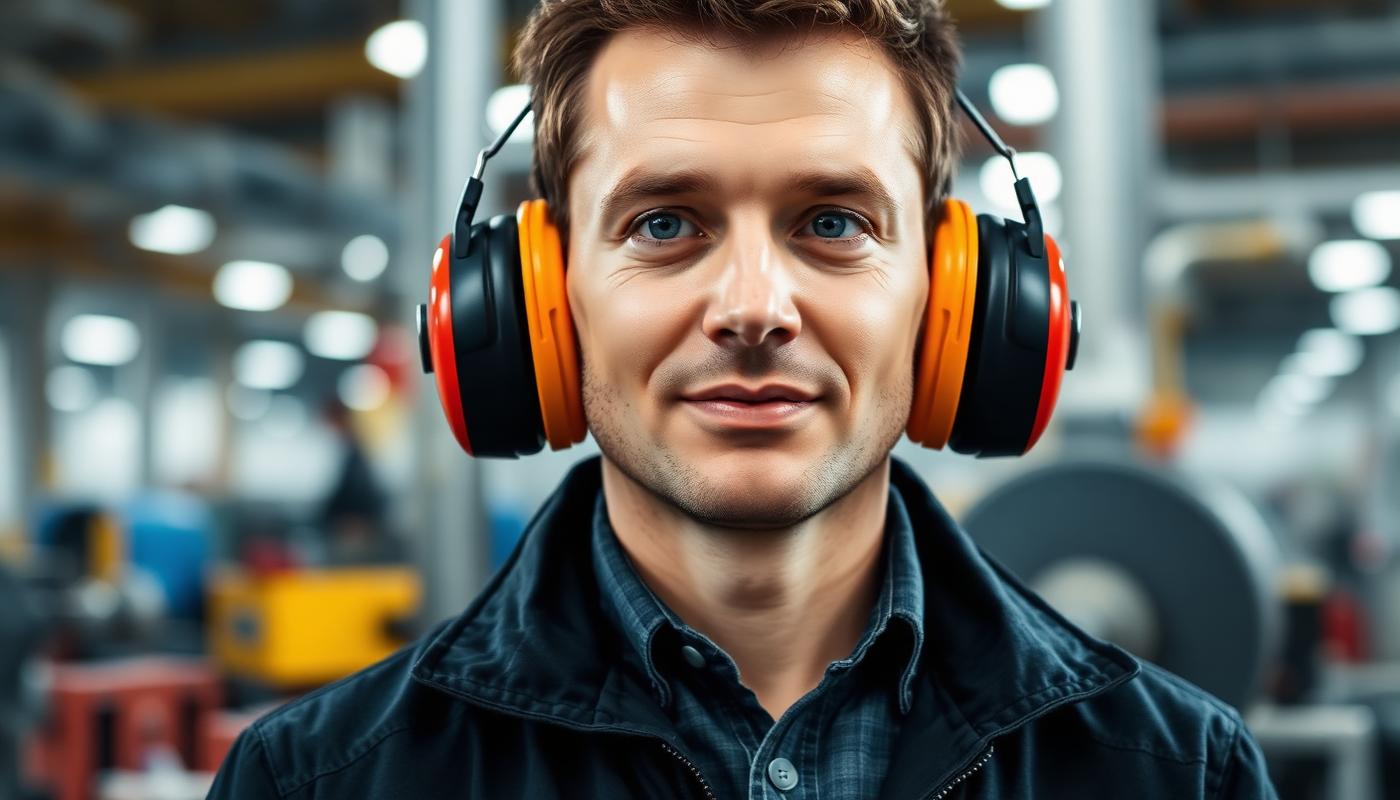
What Is a Safe Noise Level for Humans?
Last updated: July 25, 2026
Reviewed by acoustic research sources and WHO guidelines.
Noise is one of the most underestimated environmental health risks. The World Health Organization estimates that environmental noise contributes to 12,000 premature deaths annually across Europe alone. Understanding safe noise levels helps you protect your hearing, sleep quality, and overall health.
Table of Contents
- WHO Noise Recommendations
- Safe Exposure Times by Decibel Level
- Sleep Noise Safety
- Workplace Noise Safety
- Home Environment Guidelines
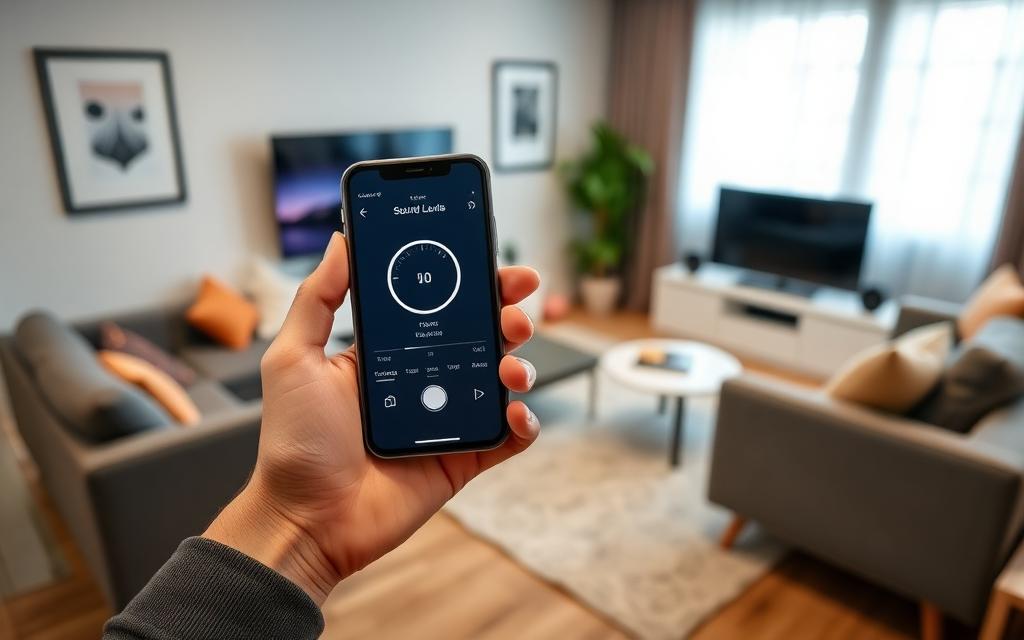
- How to Check Your Exposure
- FAQ
How loud is your environment? [Find out instantly with the free noise meter](/) — no download, no account needed.
WHO Noise Recommendations
The World Health Organization has established clear guidelines for safe noise exposure across different environments:
Key Thresholds
- Below 30 dB — Safe for continuous sleep exposure
- Below 45 dB — Recommended for indoor living spaces during the day
- Below 55 dB — Upper limit before moderate annoyance begins
- Below 70 dB — No risk of hearing damage regardless of duration
- 85 dB — Maximum recommended 8-hour occupational exposure (NIOSH)
- Above 100 dB — Immediate risk; exposure should be limited to minutes
These thresholds represent cumulative exposure. Even noise levels considered "safe" for short periods can cause harm with prolonged daily exposure over months and years.
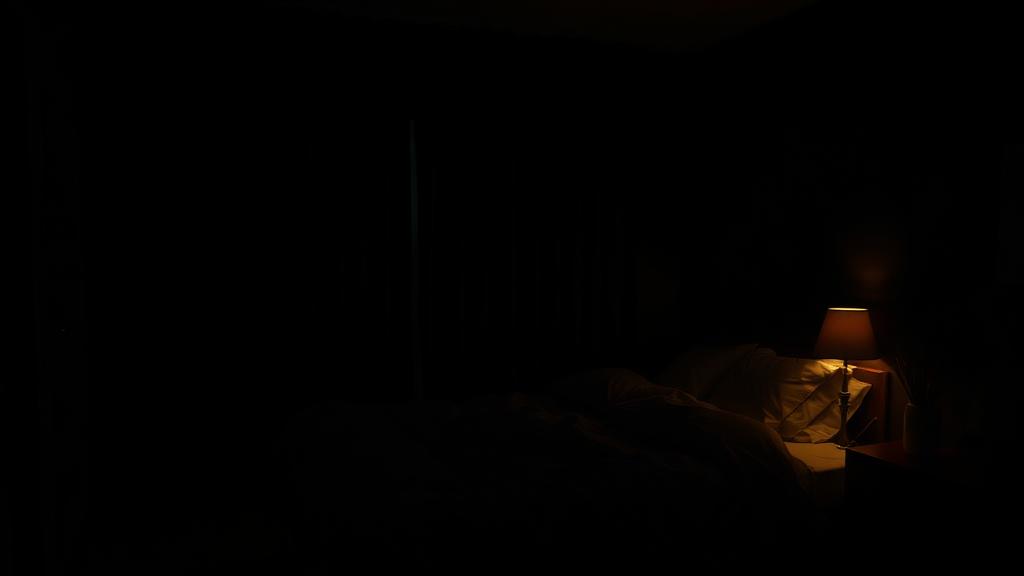
Safe Exposure Times by Decibel Level
The relationship between noise level and safe exposure time is dramatic. NIOSH uses a 3 dB exchange rate — every 3 dB increase halves the allowable time:
| Noise Level | Maximum Safe Exposure | Example Sound |
|---|---|---|
| 85 dB | 8 hours | Heavy traffic |
| 88 dB | 4 hours | Loud restaurant |
| 91 dB | 2 hours | Lawnmower |
| 94 dB | 1 hour | Music concert (moderate) |
| 97 dB | 30 minutes | Power drill |
| 100 dB | 15 minutes | Live rock concert |
| 103 dB | 7.5 minutes | Chainsaw |
| 110 dB | < 2 minutes | Power tools at close range |
Understanding these limits is especially important if you work in noisy environments. Read more about workplace noise safety.
Sleep Noise Safety
Sleep is particularly vulnerable to noise disruption. The WHO recommends:
- Continuous background noise below 30 dB during sleep
- Individual noise events below 45 dB
- Long-term nighttime averages below 40 dB
Even noise that does not fully wake you can shift your sleep from restorative deep stages to lighter phases. This reduces sleep quality without your awareness. Learn about ideal bedroom noise for sleep.
Not sure if your bedroom is quiet enough? [Measure it now with SnapRoomScore](/) — free and instant.
Workplace Noise Safety
OSHA requires employers to implement hearing conservation programs when noise exceeds 85 dB (8-hour TWA). This includes:
- Regular noise monitoring
- Hearing protection provision
- Annual audiometric testing
- Employee training
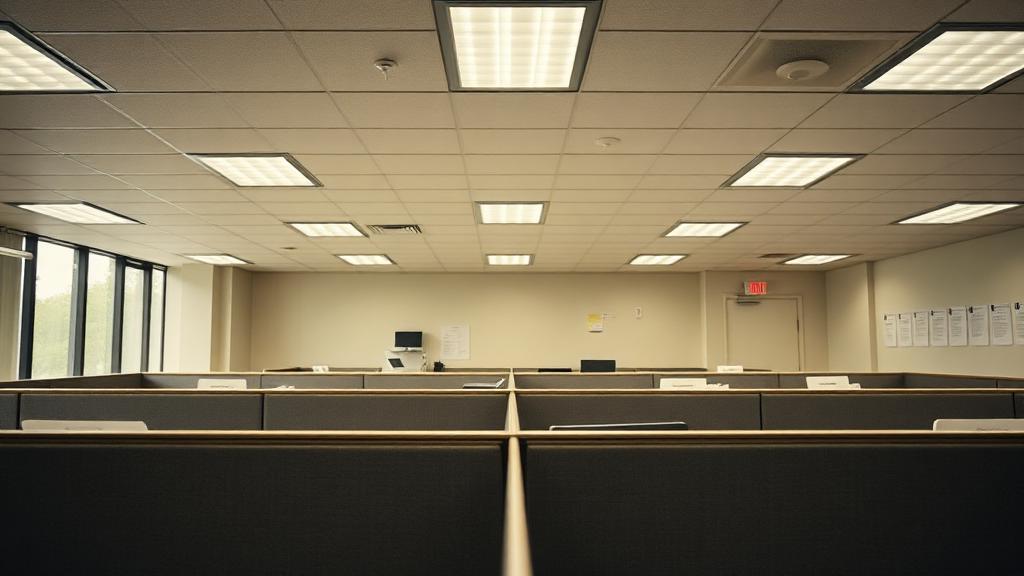
For office workers, sustained noise above 50 dB impairs cognitive performance. Open-plan offices averaging 55–65 dB have been linked to reduced task motivation and elevated stress hormones. See the full guide to workplace noise.
Home Environment Guidelines
For residential spaces, the acceptable noise level guidelines recommend:
- Bedrooms: ≤ 30 dB (night)
- Living rooms: ≤ 45 dB (day)
- Home offices: ≤ 45 dB
- Nurseries: ≤ 30 dB
If your home exceeds these levels, explore practical noise reduction strategies.
How to Check Your Exposure
Measuring your noise exposure is simple:
- Open SnapRoomScore in your browser
- Measure each room you spend significant time in
- Note the average dB level and duration of exposure
- Compare against the safe exposure table above
- Track measurements over time using the trends page
For most people, the biggest risks come from nighttime bedroom noise and daytime office noise — both of which are easily measurable with a phone or laptop.
Safe Noise Limits Compared: WHO, EPA, OSHA, NIOSH and the EU
Different bodies publish different numbers, and the gap between them confuses most people. They are not contradicting each other — they answer different questions. Occupational limits protect against measurable hearing loss over a 40-year career. Public-health limits protect against sleep disruption, stress and cardiovascular effects, which start far lower.
| Body | Limit | What it covers | Exchange rate |
|---|---|---|---|
| WHO (night noise) | 30 dB indoors, 40 dB Lnight outdoors | Sleep quality and health | n/a |
| WHO (community) | 53 dB Lden road traffic | Annoyance and long-term health | n/a |
| US EPA | 70 dBA over 24 h | Preventing hearing loss in the general public | n/a |
| NIOSH | 85 dBA / 8 h | Recommended occupational exposure | 3 dB |
| OSHA | 90 dBA / 8 h (action level 85) | Legally enforceable US workplace limit | 5 dB |
| EU Directive 2003/10/EC | 87 dBA exposure limit, 80 dBA action | European workplace exposure | 3 dB |
The practical takeaway: OSHA's 90 dBA is a legal floor, not a health target. NIOSH's 85 dBA is the level actual hearing scientists recommend, and the 3 dB exchange rate is the one supported by the physics of sound energy.
Safe Noise Levels by Activity
Hearing damage is only one risk. For most people, the limits that matter day to day are the ones that protect sleep, concentration and recovery:
| Activity | Target level | Upper limit | What happens above it |
|---|---|---|---|
| Sleeping | 25–30 dB | 35 dB | Fragmented sleep, more time in light stages |
| Infant sleep | 25–30 dB | 35 dB | Frequent wakings, shorter sleep cycles |
| Deep focus work | 35–40 dB | 45 dB | Measurable drop in complex-task accuracy |
| Reading and study | 35–45 dB | 50 dB | Reduced reading comprehension in children |
| Conversation | 40–50 dB | 60 dB | Voices raised, listening effort climbs |
| Recording voice or music | 20–30 dB | 35 dB | Audible noise floor in the recording |
| Recovery from illness | 30–35 dB | 40 dB | Slower recovery, higher stress hormones |
Who Is Most at Risk
Safe limits are not the same for everyone. Four groups need a wider margin:
- Infants and young children. They spend more time in light sleep and cannot move away from a noise source. Classroom studies link chronic background noise above 45 dB to slower reading development.
- Shift workers. Sleeping during the day means facing daytime noise levels that are typically 10–15 dB above night levels, with less deep sleep to begin with.
- People with tinnitus or existing hearing loss. A damaged cochlea has less headroom; levels that a healthy ear tolerates can trigger symptom flare-ups.
- Anyone with cardiovascular risk factors. The stress response to nighttime noise is autonomic — it happens whether or not you wake up.
Warning Signs You Are Over the Limit
You do not need equipment to spot a problem, though measuring confirms it:
- You have to raise your voice to talk to someone an arm's length away — the environment is likely above 85 dB.
- Your ears ring or feel "full" after leaving a place. That temporary threshold shift is a hearing-cell stress signal, not a harmless quirk.
- Sounds seem muffled for a few hours afterwards.
- You wake repeatedly at night without knowing why, or wake tired after a full night in bed.
- You find yourself re-reading the same paragraph in a room that "isn't that loud."
If two or more apply, measure the room before assuming it is fine — perception is an unreliable meter above 70 dB.
How Noise Actually Damages Hearing
Inside the cochlea, roughly 15,000 hair cells convert sound pressure into nerve signals. Loud sound bends the stereocilia on top of these cells beyond their elastic range. Moderate overload causes temporary swelling — the muffled hearing after a concert. Repeated or extreme overload kills the cell outright, and human hair cells do not regenerate.
This is why exposure is cumulative and why the damage is silent for years: high-frequency cells around 4 kHz die first, and speech remains intelligible long after the loss begins. By the time conversations become hard to follow, typically 30–50% of the cells in that band are gone. Everything on this page exists because that loss is permanent and completely preventable.
Take control of your noise exposure. [Start measuring with SnapRoomScore](/) — completely free and private.
FAQ
What noise level is safe for sleep?
The WHO recommends continuous bedroom noise below 30 dB for uninterrupted sleep. Noise events should not exceed 45 dB to prevent awakenings.
How long can you safely be exposed to 85 dB?
NIOSH recommends a maximum of 8 hours at 85 dB. For every 3 dB increase, safe exposure time is halved — 4 hours at 88 dB, 2 hours at 91 dB, 15 minutes at 100 dB.
Can low-level noise cause health problems?
Yes. Chronic exposure above 55 dB is linked to elevated cortisol, increased cardiovascular risk, impaired cognitive performance, and disrupted sleep — even if it does not cause hearing damage.
Why do OSHA and NIOSH give different limits?
OSHA's 90 dBA limit is a legally enforceable standard set in 1971 with a 5 dB exchange rate. NIOSH's 85 dBA recommendation with a 3 dB exchange rate reflects later hearing research and is the level most audiologists consider protective.
Is 60 dB safe all day?
Yes for hearing — 60 dB is far below the 70 dBA damage threshold. But sustained 60 dB impairs concentration and, at night, disrupts sleep architecture, so it is safe for your ears and not for your focus or rest.
Does hearing protection make quiet environments safer?
No, and it can backfire. Earplugs are for environments above 85 dB. Below that, the goal is reducing the noise itself — through room treatment or distance — not blocking your hearing.