How to Improve Room Acoustics Without Expensive Panels
Last updated: March 17, 2026
Reviewed by acoustic research sources and WHO guidelines.
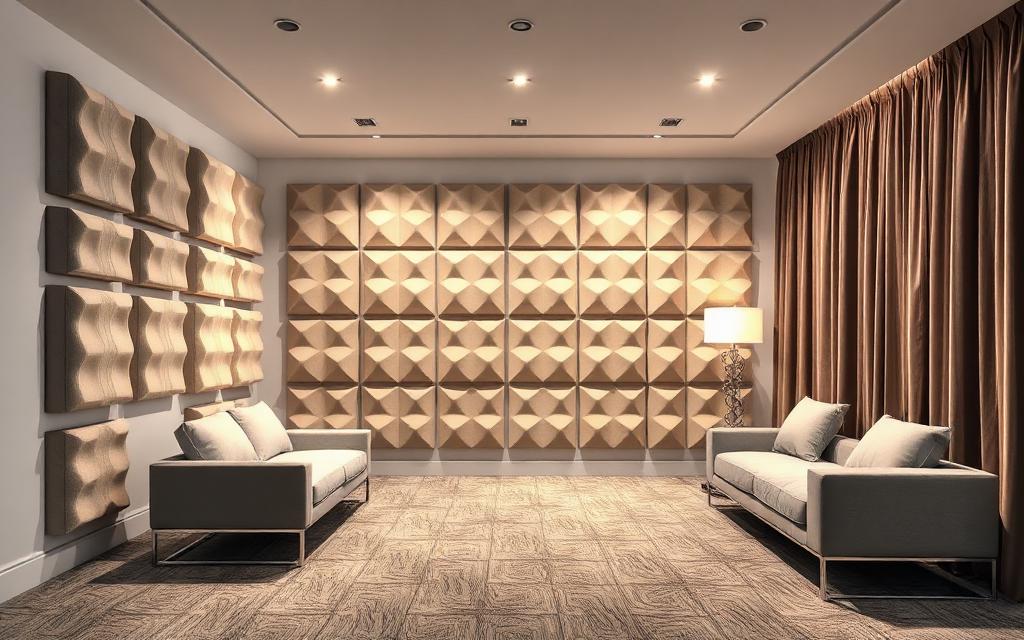
When people think about improving room acoustics, they often picture expensive foam panels on walls. But for most homes and offices, you can achieve excellent results with items you probably already own — or can buy cheaply.
This guide covers practical, proven methods to transform your room's sound without spending money on specialized acoustic products.
Table of Contents
- Why Most Rooms Don't Need Professional Panels
- 12 Budget-Friendly Acoustic Improvements
- The Science Behind Everyday Solutions
- Room-by-Room Recommendations
- When DIY Is Not Enough
- FAQ
Before making changes, know your starting point. [Measure your room's noise level with SnapRoomScore](/) for free.
Why Most Rooms Don't Need Professional Panels
Professional acoustic panels are designed for recording studios, home theaters, and commercial spaces where precise acoustic control is essential. In these settings, panels provide targeted absorption at specific frequencies.
But in a typical living room, bedroom, or home office, the problems are simpler:
- Too much echo from bare walls and hard floors
- Noise from outside seeping through windows
- Uncomfortable reverberation making conversation or calls difficult
These problems respond well to common-sense furnishing and arrangement. Research shows that a well-furnished room achieves 70–80% of the acoustic improvement that professional treatment provides.
12 Budget-Friendly Acoustic Improvements
1. Large Area Rug on Hard Floors ($30–$100)
Impact: ★★★★★
This is the single most effective change you can make. A thick rug covering at least 50% of a hard floor can reduce reverberation by 20–30%. Add a rug pad underneath for additional absorption.
2. Heavy Curtains ($40–$80 per window)
Impact: ★★★★★
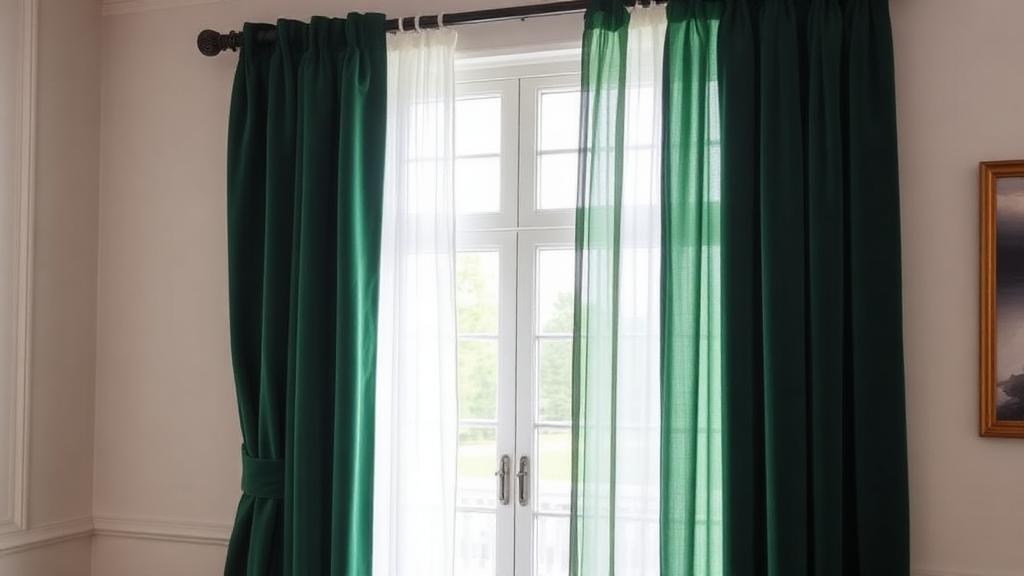
Floor-to-ceiling curtains in heavy fabric (velvet, thick polyester, or lined cotton) absorb sound across a wide frequency range. Even when open, the gathered fabric provides absorption.
3. Upholstered Furniture (use what you have)
Impact: ★★★★☆
Fabric sofas, armchairs, and ottomans absorb significantly more sound than leather or wood alternatives. If buying new, choose fabric upholstery for better acoustics.
4. Bookshelves Filled with Books ($0–$50)
Impact: ★★★★☆
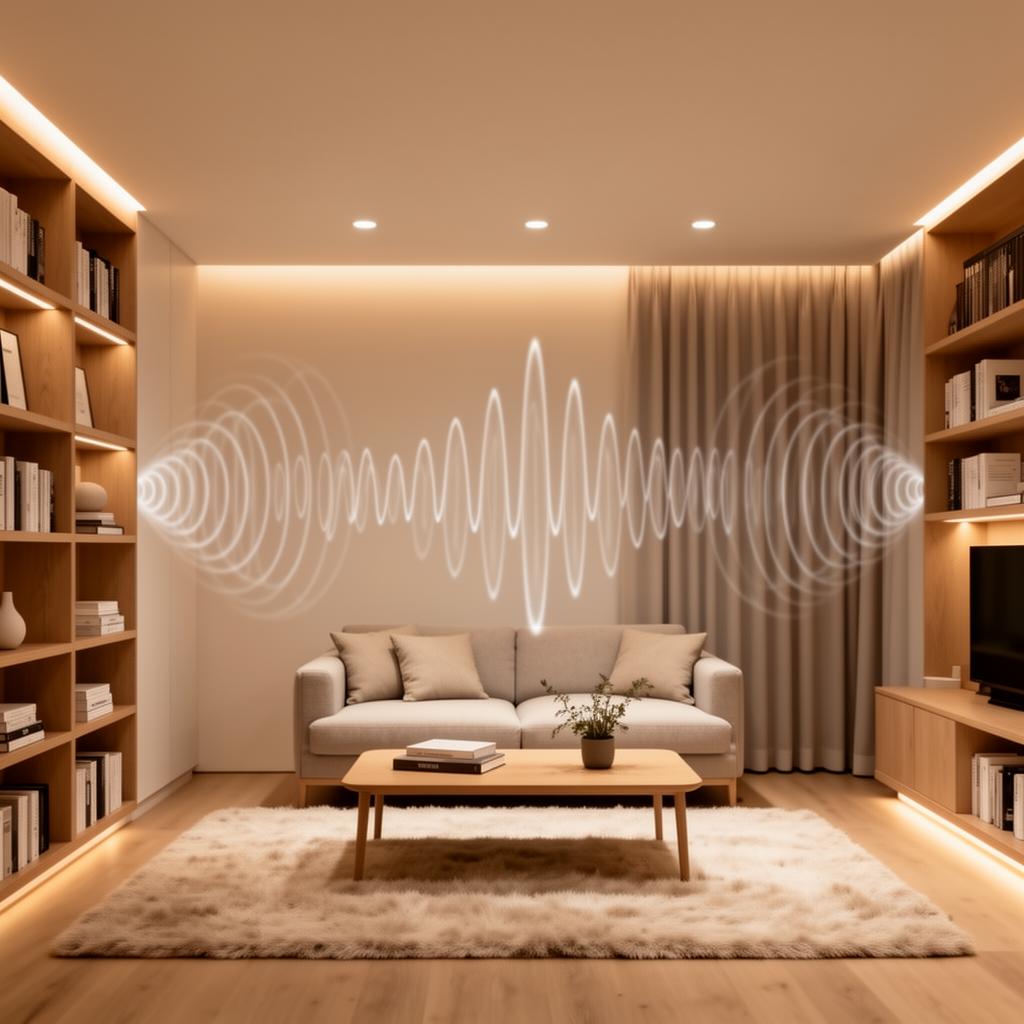
Place bookshelves against bare walls. The irregular surface diffuses sound while the books themselves absorb it. Vary book heights and depths for maximum diffusion.
5. Throw Pillows and Blankets ($10–$30)
Impact: ★★★☆☆
Add cushions to seating and drape throw blankets over furniture. Every soft surface contributes to absorption. Thick, textured fabrics work best.
6. Wall-Mounted Textiles ($15–$60)
Impact: ★★★☆☆
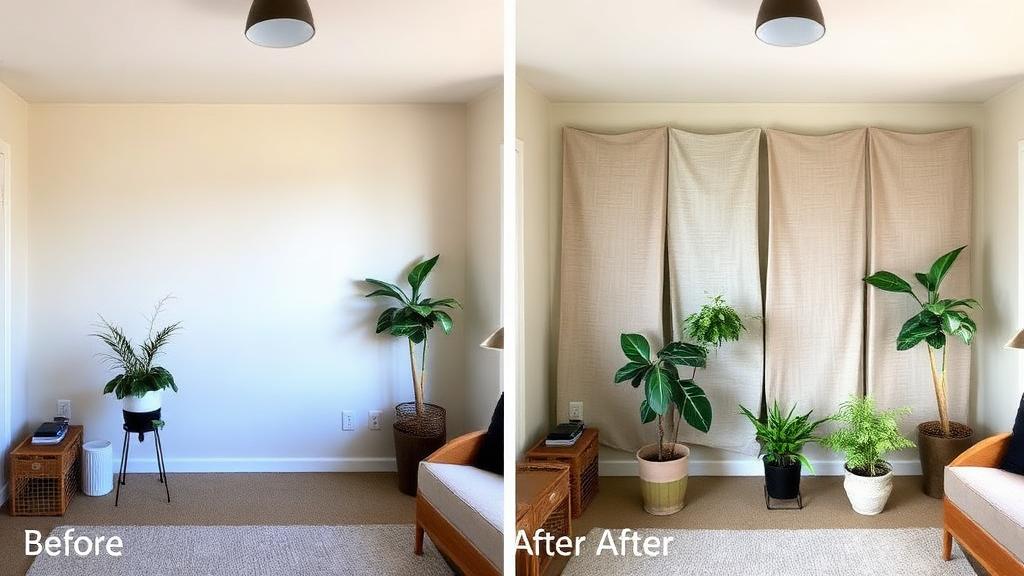
Tapestries, woven wall hangings, or thick fabric panels mounted on walls reduce reflections. Position them on the wall opposite your primary sound source for maximum effect.
7. Mattress Toppers as Wall Treatment ($20–$40)
Impact: ★★★★☆
This is a well-known hack in home recording. A foam mattress topper wrapped in fabric and mounted on a wall provides absorption comparable to budget acoustic panels at a fraction of the cost.
8. Rearrange Existing Furniture ($0)
Impact: ★★★☆☆
Break up large empty wall spaces with furniture. Avoid pushing all furniture against walls — bringing items slightly forward creates absorption behind them. Place bookshelves or storage against the wall you share with noisy neighbors.
9. Door Seals and Draft Stoppers ($5–$15)
Impact: ★★☆☆☆
Seal gaps under and around doors to reduce sound leaking between rooms. Adhesive foam strips around the door frame and a draft stopper at the bottom make a noticeable difference.
10. Ceiling-Hung Plants (varies)
Impact: ★★☆☆☆
Hanging plants break up ceiling reflections and add some absorption. Large, leafy plants are more effective than small ones. While the acoustic effect is modest, every bit helps — and they improve air quality too.
11. Cork or Felt Wall Tiles ($20–$50)
Impact: ★★★☆☆
Self-adhesive cork or felt tiles provide moderate absorption and look decorative. They work well in home offices for pinning notes while simultaneously improving acoustics.
12. Strategic Furniture Angles ($0)
Impact: ★★☆☆☆
Angle large flat furniture (like wardrobes or cabinets) slightly away from walls. This breaks up parallel surfaces that cause flutter echo — the rapid, buzzing reflection between two flat surfaces.

The Science Behind Everyday Solutions
Every acoustic improvement works through one of three mechanisms:
Absorption
Soft, porous materials convert sound energy into heat through friction within their fibers. The thicker and denser the material, the more effective it is — especially at lower frequencies.
- Thin fabric: absorbs high frequencies only
- Thick fabric/carpet: absorbs mid and high frequencies
- Dense foam/heavy curtains: absorbs across a wide range
Diffusion
Irregular surfaces scatter reflections in many directions instead of a single angle. This prevents harsh, focused reflections while preserving the room's natural acoustic energy.
- Bookshelves: excellent diffusion
- Mixed-height furniture: good diffusion
- Flat walls: zero diffusion (pure reflection)
Isolation
Seals, heavy furniture against shared walls, and closed windows reduce sound transmission from outside the room.
For more on how sound behaves indoors, read our complete guide to room noise and acoustic quality.
Track your improvements. [Measure before and after with SnapRoomScore](/) — see the difference in numbers.
Room-by-Room Recommendations
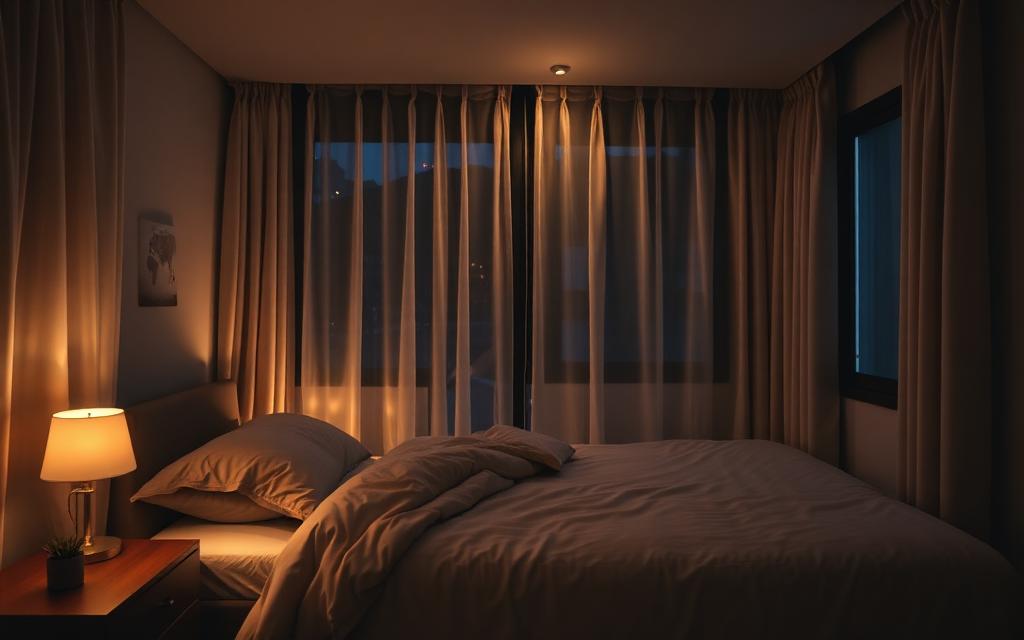
Bedroom
Goal: Low reverberation for peaceful sleep, minimal outside noise.
Priority additions:
- Thick rug beside the bed
- Heavy curtains on windows
- Upholstered headboard
- Soft throw blankets
Target noise floor: under 30 dB. See our guide on bedroom noise levels for sleep.
Home Office
Goal: Clear speech for video calls, comfortable focus environment.
Priority additions:
- Area rug under desk area
- Bookshelf against wall behind camera
- Curtains on windows
- Upholstered desk chair
Target noise floor: under 45 dB. Read about how noise affects productivity.
Living Room
Goal: Natural sound for conversation and entertainment.
Priority additions:
- Large area rug covering main seating area
- Fabric sofa and armchairs
- Curtains on largest window
- Filled bookshelves on bare walls
Target noise floor: under 50 dB.
Home Studio / Podcast Room
Goal: Minimal reverberation for clean recordings.
This is where you might actually need acoustic panels. But start with:
- Thick rug covering entire floor
- Heavy curtains on all windows and one bare wall
- Bookshelf behind microphone
- Mattress topper wrapped in fabric on wall facing microphone
If recording quality is still insufficient, targeted acoustic panels at first reflection points will complete the treatment.
When DIY Is Not Enough
Budget solutions handle 80% of residential acoustic needs. Consider professional treatment if:
- You record music, podcasts, or voiceovers professionally
- You have a dedicated home theater with surround sound
- Your room has unusual dimensions (very high ceilings, extremely large, unusual shape)
- You have persistent flutter echo that furniture cannot resolve
- You need specific frequency targeting (bass traps for low-end problems)
In these cases, consult with an acoustics professional who can measure your room's specific issues and recommend targeted solutions.
Start with what you have. [Measure your room's baseline with SnapRoomScore](/) and make informed decisions about what to improve.
FAQ
Can I improve room acoustics without buying acoustic panels?
Absolutely. Area rugs, heavy curtains, upholstered furniture, bookshelves, and strategic furniture placement can achieve 70–80% of the improvement that professional acoustic panels provide, at a fraction of the cost.
What is the cheapest way to reduce room echo?
A large area rug on a hard floor is the single most cost-effective acoustic improvement. It can reduce reverberation by 20–30% for under $50. Heavy curtains over windows are the next best investment.
Do bookshelves help with room acoustics?
Yes, significantly. A bookshelf filled with books acts as both a sound diffuser (scattering reflections) and absorber (paper and bindings absorb sound). They are one of the best multi-purpose acoustic treatments.