8 Ways to Reduce Noise in a Room
Last updated: July 25, 2026
Reviewed by acoustic research sources and WHO guidelines.
A noisy room does not require an expensive renovation to fix. With the right strategies, you can significantly reduce noise using a combination of simple techniques, affordable materials, and smart design choices.
In this guide, we walk through eight practical ways to reduce noise in any room – from quick fixes you can do today to more substantial improvements for long-term quiet.
Table of Contents
- Before You Start: Measure Your Baseline
- 1. Rearrange Your Furniture
- 2. Add Carpets and Rugs
- 3. Hang Heavy Curtains
- 4. Install Acoustic Panels
- 5. Seal Gaps Around Doors and Windows
- 6. Use Soft Furnishings
- 7. Add a Bookshelf Sound Barrier
- 8. Upgrade Your Windows
- Bonus: Use White Noise
- Time-Blocking: Work Around the Noise You Cannot Remove
- Do Not Forget Digital Noise
- What to Spend, and What to Expect
- Measure Your Progress
- FAQ
Before you start, measure your current noise level. [Use SnapRoomScore](/) to get a baseline reading – then measure again after each improvement.
Before You Start: Measure Your Baseline
Before making any changes, measure your room's current noise level with SnapRoomScore. This gives you a baseline number to compare against after each improvement. Without a baseline, you cannot know how effective your changes are.
Take measurements at different times of day and note:
- The average noise level
- The peak noise level
- The main sources of noise you can identify
Now, let us look at eight effective ways to reduce that number.
1. Rearrange Your Furniture
Cost: Free | Noise Reduction: 3–8 dB
The placement of furniture in your room significantly affects how sound travels and reflects. Strategic rearrangement can reduce perceived noise without spending anything.
How It Works
Sound bounces off hard, flat surfaces. By placing large furniture against walls where noise enters, you create barriers that absorb and block sound transmission.
What to Do
- Move heavy furniture (wardrobes, dressers, filing cabinets) against walls that face noisy neighbors or busy roads
- Avoid placing your desk or bed directly against a shared wall
- Break up large open spaces with furniture to reduce echo
- Position seating areas away from windows facing traffic
2. Add Carpets and Rugs
Cost: $30–200 | Noise Reduction: 5–10 dB
Hard floors (tile, hardwood, laminate) reflect sound, creating echo and amplifying noise. Carpets and rugs absorb sound energy, significantly reducing both echo and footfall noise.
Best Practices
- Cover as much floor area as possible – larger rugs are more effective
- Choose thick, dense rugs – thin rugs provide minimal benefit
- Layer rugs in very echoey rooms for maximum effect
- Add rug pads underneath for extra absorption
- Place rugs in high-traffic areas to reduce footstep noise
The Science
Carpet can absorb up to 10 times more airborne sound than hard flooring. It also nearly eliminates impact noise from footsteps, which is especially important in apartments.
3. Hang Heavy Curtains
Cost: $40–150 per window | Noise Reduction: 5–10 dB
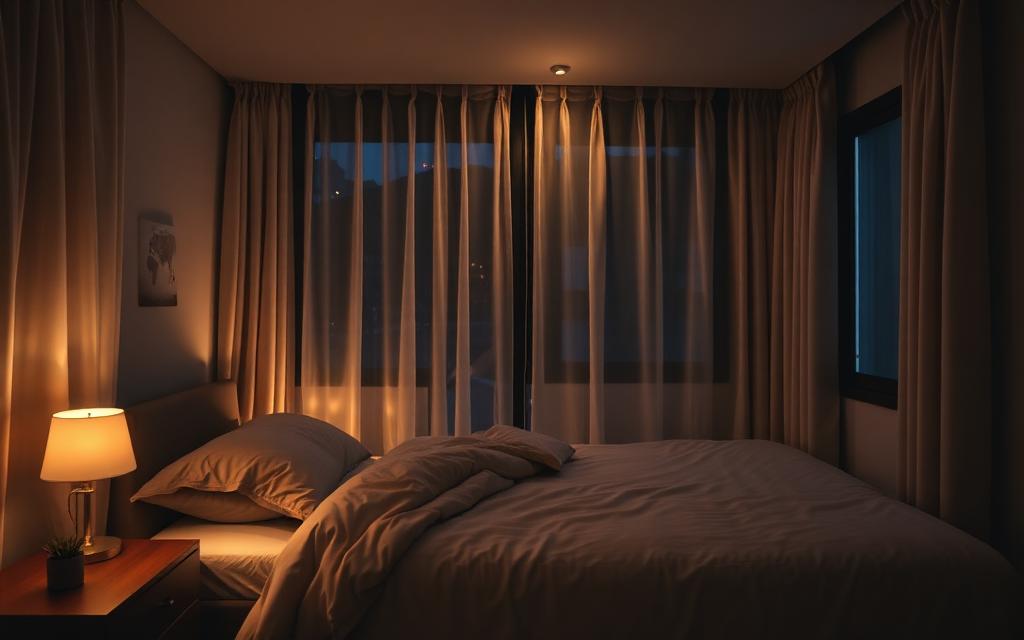
Windows are typically the weakest point in a room's sound insulation. Heavy curtains add a layer of soft, dense material that absorbs sound before it enters the room.
Choosing Effective Curtains
Look for curtains that are:
- Multi-layered – Two or three fabric layers perform best
- Dense and heavy – Velvet, suede, or specialized acoustic fabric
- Floor-to-ceiling length – Short curtains leave gaps for sound to enter
- Wall-to-wall width – Extend beyond the window frame for full coverage
Installation Tips
- Mount curtain rods as close to the ceiling as possible
- Extend rods 15–30 cm beyond each side of the window
- Use curtains that pool slightly on the floor for a complete seal
- Consider double curtain rods – one for regular curtains and one for a heavier acoustic layer
For more details on how curtains help with bedroom noise, see our article on bedroom noise levels for sleep.
4. Install Acoustic Panels
Cost: $50–300 | Noise Reduction: 8–15 dB (echo reduction)
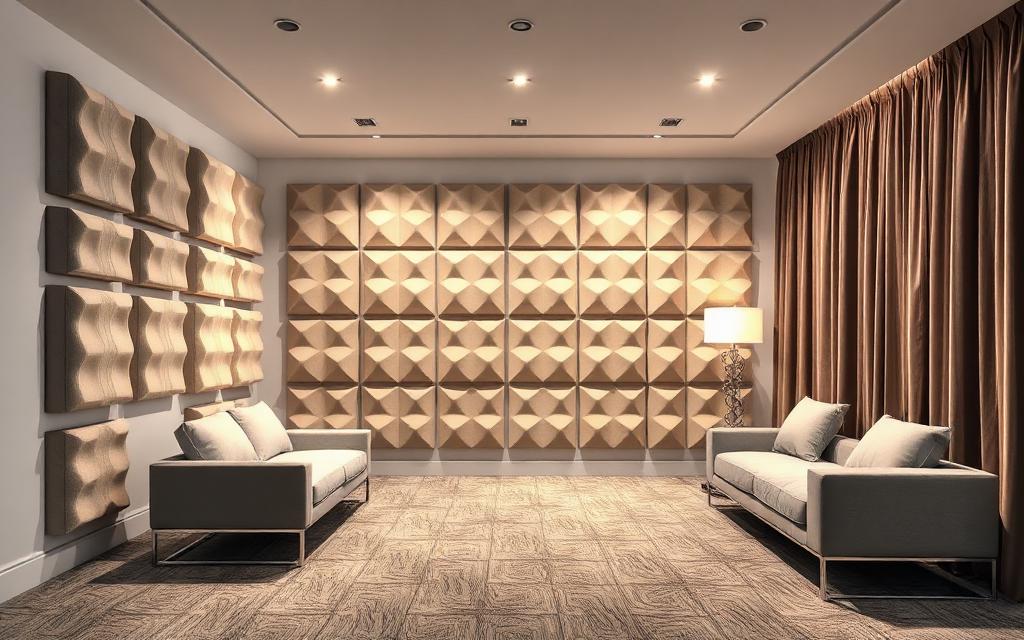
Acoustic panels are specifically designed to absorb sound and reduce reverberation. They are one of the most effective solutions for rooms with echo and noise reflection problems.
Types of Acoustic Panels
- Foam panels – Affordable, lightweight, easy to install ($1–5 per panel)
- Fabric-wrapped panels – Better looking, more effective ($20–60 per panel)
- Wood slat panels – Decorative and functional ($30–100 per panel)
- DIY panels – Made with mineral wool and fabric (cost of materials only)
Where to Place Them
- First reflection points – The walls directly opposite your main noise sources
- Behind your desk or work area
- At ear height – This is where they are most effective for seated positions
- Corners – Sound builds up in corners, so corner treatment is highly effective
Making changes? [Measure before and after with SnapRoomScore](/) to see exactly how many decibels you've reduced.
5. Seal Gaps Around Doors and Windows
Cost: $5–30 | Noise Reduction: 5–15 dB
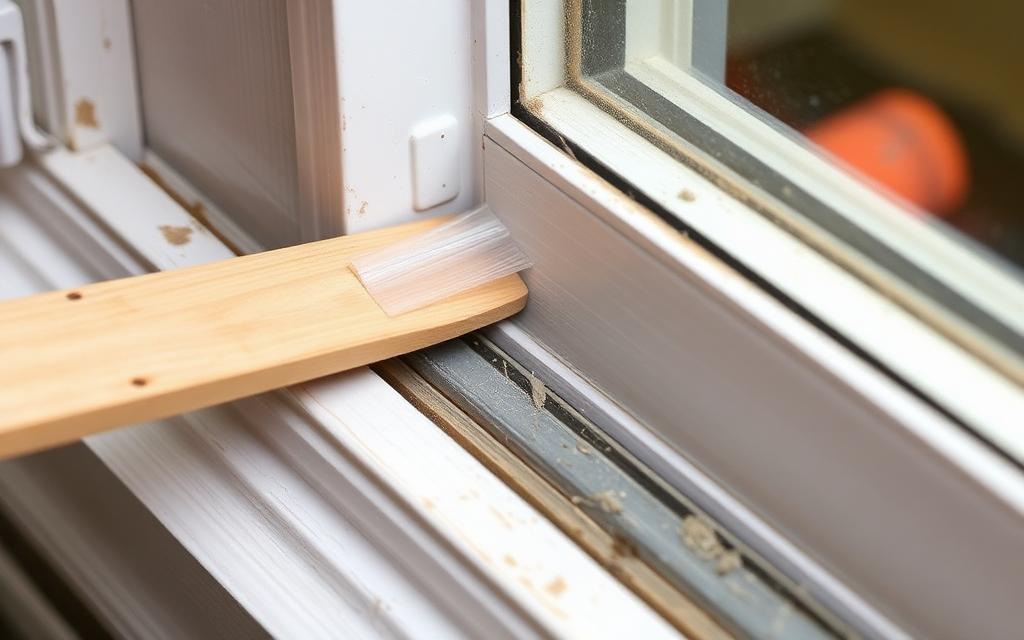
Small gaps around doors and windows allow a surprising amount of noise to enter. Sound travels through air, and even a tiny gap provides a clear path for noise.
Common Gap Locations
- Around window frames
- Under exterior doors
- Around door frames
- Where pipes or cables enter the room
- Around electrical outlets on shared walls
How to Seal Them
- Weather stripping – Apply adhesive foam strips around window and door frames
- Door sweeps – Install at the bottom of doors to seal the gap with the floor
- Acoustic caulk – Use flexible acoustic sealant around fixed openings
- Outlet gaskets – Foam gaskets behind switch plates on shared walls
This is one of the highest-value improvements because it costs very little and can make a significant difference. Check the gaps by holding a candle or incense stick near suspected openings – if the smoke moves, air (and noise) is getting through.
6. Use Soft Furnishings
Cost: $0–100 | Noise Reduction: 3–8 dB
Every soft object in your room absorbs sound. By strategically adding soft furnishings, you can reduce echo and lower the overall noise level.
Effective Soft Furnishings
- Upholstered furniture – Fabric sofas and chairs absorb more sound than leather or wood
- Throw pillows and cushions – Add them to seating areas and beds
- Blankets and throws – Drape them over furniture and chair backs
- Tapestries and wall hangings – Cover hard wall surfaces with soft fabric
- Stuffed bookshelves – Books are excellent sound absorbers
Why It Works
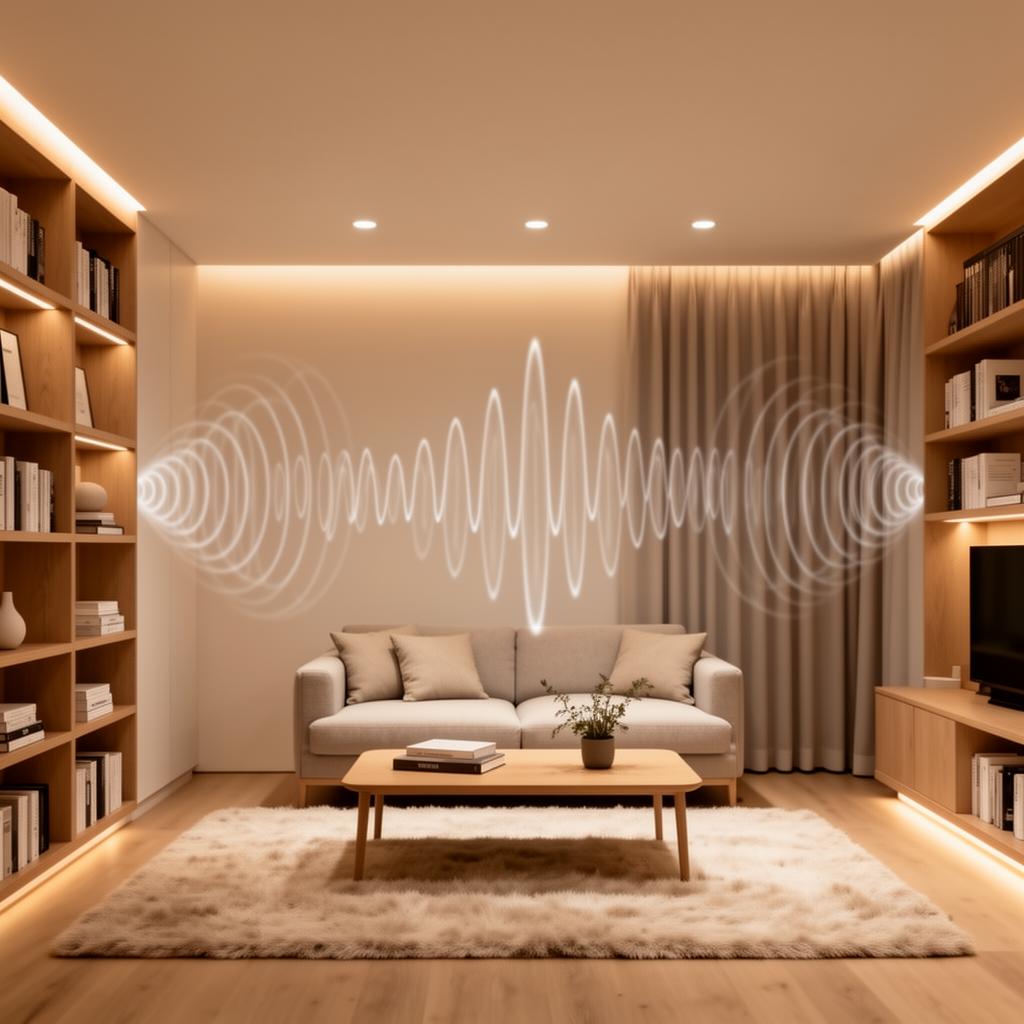
Hard surfaces reflect sound waves, keeping noise bouncing around the room. Soft materials absorb sound energy, converting it into tiny amounts of heat. The more soft surfaces in a room, the less noise reflection occurs.
7. Add a Bookshelf Sound Barrier
Cost: $50–200 (or use existing furniture) | Noise Reduction: 5–15 dB
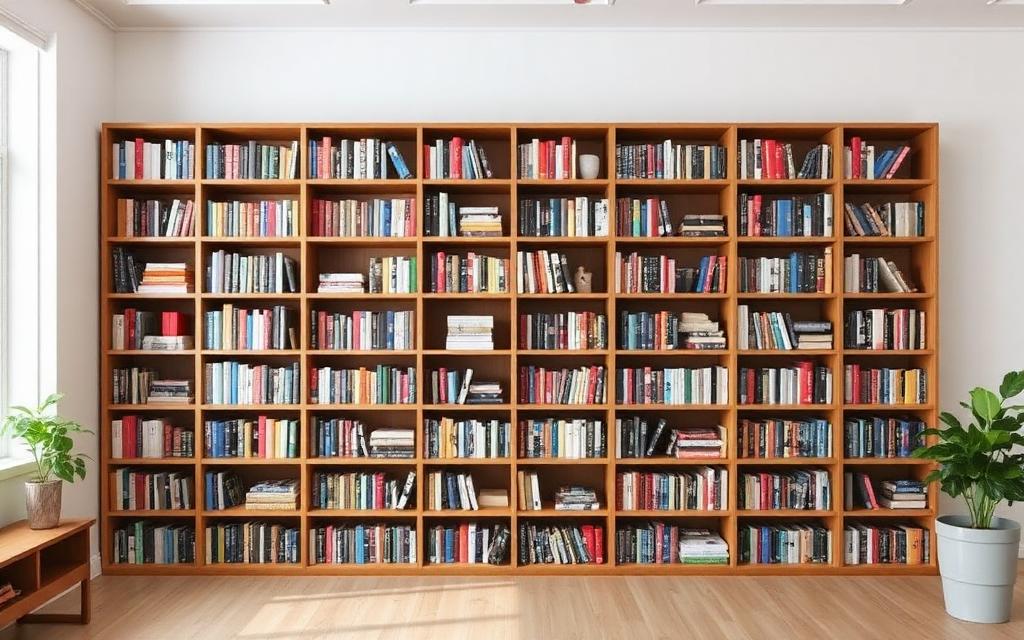
A fully loaded bookshelf is one of the most effective DIY sound barriers available. Books are dense, irregularly shaped, and excellent at absorbing and blocking sound.
How to Use a Bookshelf as Sound Barrier
- Place the bookshelf against the noisiest wall – typically a shared wall with neighbors or a wall facing a busy road
- Fill it completely with books – no gaps or empty shelves
- Use the largest bookshelf you have – taller and wider is better
- Add a second bookshelf if one is not enough
Additional Benefits
- Bookshelves also add visual interest and storage
- They do not require installation or wall modifications
- You can use books you already own
- They work in any room – bedrooms, offices, living rooms
8. Upgrade Your Windows
Cost: $200–1000+ per window | Noise Reduction: 15–35 dB
If external noise is your primary problem, upgrading your windows will have the biggest impact. Windows are typically the weakest point in a building's sound insulation.
Window Upgrade Options
| Option | Cost | Noise Reduction | Notes |
|---|---|---|---|
| Secondary glazing | $100–300/window | 15–25 dB | Adds a second pane inside existing frame |
| Double glazing | $300–700/window | 25–35 dB | Replaces existing windows |
| Triple glazing | $500–1000/window | 30–40 dB | Maximum noise reduction |
| Acoustic laminated glass | $400–800/window | 30–40 dB | Special glass for noise reduction |
When to Upgrade
Window upgrades are most worthwhile when:
- You live near a busy road or airport
- Your current windows are single-pane
- You have already tried other solutions and still have noise problems
- You plan to stay in your home long-term
For specific advice on dealing with road noise, see our article on traffic noise in your home.
Bonus: Use White Noise
Cost: $0–50 | Noise Masking: Effective for 10–20 dB of unwanted sound
White noise does not reduce the actual noise level in your room, but it masks unpredictable sounds that catch your attention. This is particularly effective for sleep and concentration.
Options
- Free apps – Many phone apps generate white, pink, or brown noise
- Dedicated machines – Purpose-built devices like the LectroFan ($30–50)
- Fan – A simple box fan provides consistent white noise
- [SnapRoomScore](/) – Measure first, then decide if masking is needed
Time-Blocking: Work Around the Noise You Cannot Remove
Not all noise can be eliminated — but you can schedule around it. Use the trend tracking to identify your naturally quiet hours and protect them for your most demanding tasks.
- Measure your room noise at different hours for a few days
- Identify your quietest windows — often early morning or late evening
- Schedule deep work during these quiet periods
- Save routine tasks (email, scheduling, admin) for noisier times
- Communicate your quiet hours to everyone in the household
This costs nothing and often beats any physical fix on the list above, because it removes the noise from the moments where it actually damages your output.
Do Not Forget Digital Noise
Physical noise is not the only distraction. Digital notifications create the same concentration-breaking effect as a slamming door, and no amount of acoustic treatment blocks them.
- Turn off non-essential notifications during focus periods
- Use Do Not Disturb modes aggressively on all devices
- Close unnecessary browser tabs — some play background audio or notification sounds
- Mute group chats during deep work sessions
A single notification sound can break focus and cost significant recovery time. Treat digital noise as seriously as physical noise.
What to Spend, and What to Expect
A tiered view of the options above, so you can pick by budget rather than by guesswork:
| Budget | Solutions | Expected improvement |
|---|---|---|
| Free | Rearrange furniture, close doors, move desk | 3–5 dB reduction |
| Under $20 | Door draft stopper, weather stripping | 5–8 dB reduction |
| Under $50 | White noise machine, acoustic foam panels | 8–12 dB reduction |
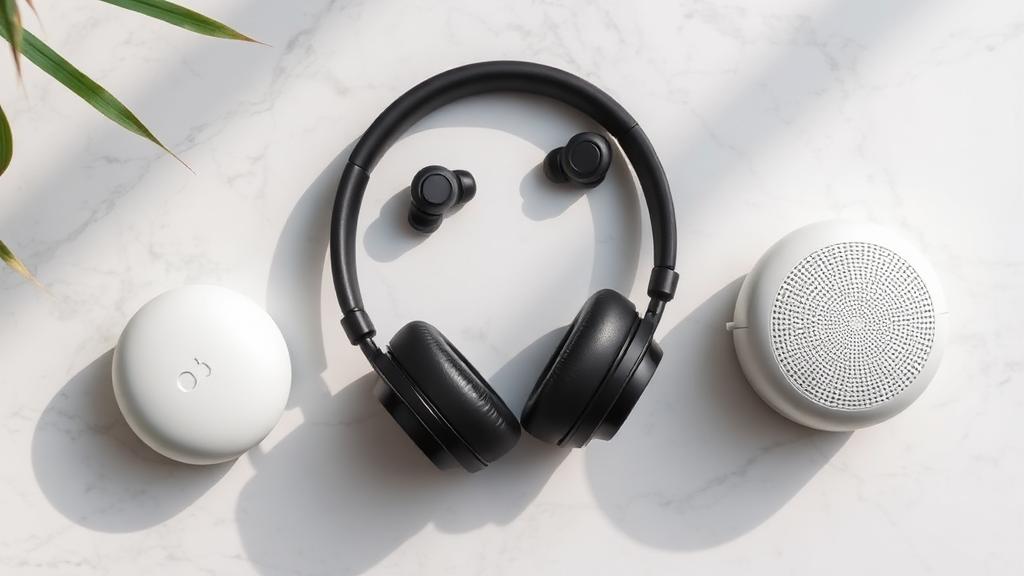
| Under $100 | Noise-canceling earbuds, heavy curtains | 10–20 dB reduction |
| Under $200 | Quality headphones + acoustic panels | 15–25 dB reduction |
Remember: a reduction of just 10 dB sounds like the noise has been cut in half to your ears.
Measure Your Progress
After implementing any of these changes, measure your room again with SnapRoomScore to see the improvement. Even a 5 dB reduction is noticeable, and a 10 dB reduction sounds roughly half as loud.
Track your progress:
- Measure before any changes
- Implement one change at a time when possible
- Measure after each change
- Compare results using the SnapRoomScore trends feature
Combining multiple techniques typically produces the best results. Start with free and low-cost options, then invest in bigger improvements if needed.
Start your noise reduction journey today. [Measure your room with SnapRoomScore](/) to find out exactly where you stand – then make your space quieter, one step at a time.
FAQ
What is the cheapest way to reduce noise in a room?
The cheapest methods include rearranging furniture (placing bookshelves against noisy walls), adding soft furnishings you already own (blankets, cushions), and sealing gaps around doors and windows with inexpensive weather stripping.
Do acoustic panels really work?
Yes. Acoustic panels can reduce echo and reverberation by 50–80%, making rooms sound significantly quieter. They work best when placed on walls opposite sound sources and at ear height.
How much can curtains reduce noise?
Heavy acoustic curtains can reduce incoming noise by 5–10 dB. Multi-layered curtains with dense fabric perform best. They are most effective when covering the entire window wall from ceiling to floor.
Does white noise actually help concentration?
Yes. Consistent white noise at 40–50 dB masks unpredictable sounds that break concentration. Your brain tunes out constant noise but reacts to sudden changes.
What can I do if I cannot change the room at all?
Schedule around the noise. Measure your room at different hours for a few days, identify your quietest windows, and move demanding work into them. It costs nothing and often beats a physical fix.