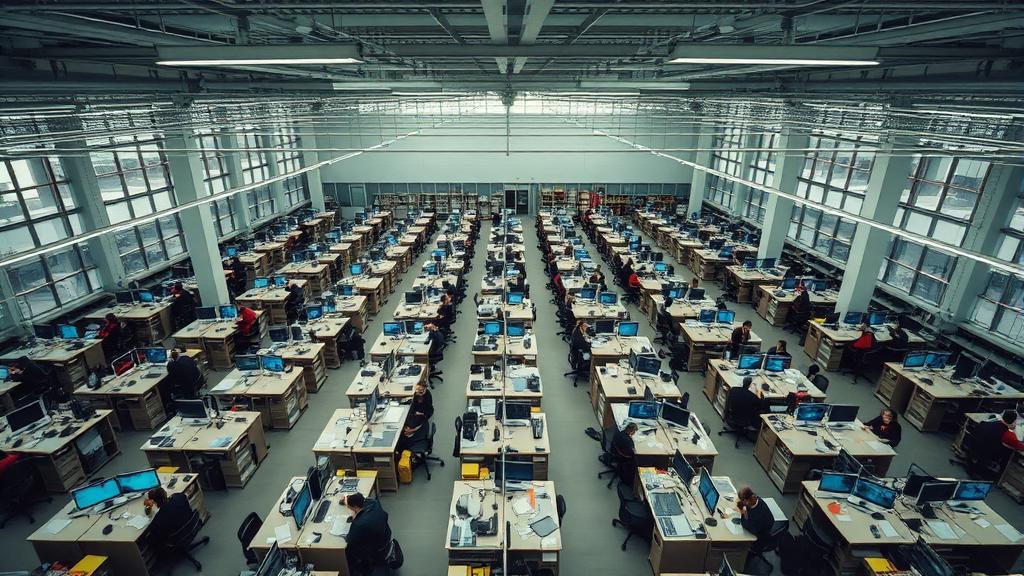
How Room Noise Affects Your Productivity
Last updated: March 14, 2026
Reviewed by acoustic research sources and WHO guidelines.
Noise is one of the most underestimated factors in workplace productivity. Whether you work from home, in a shared office, or in a coffee shop, the sound around you directly affects how well you think, create, and perform.
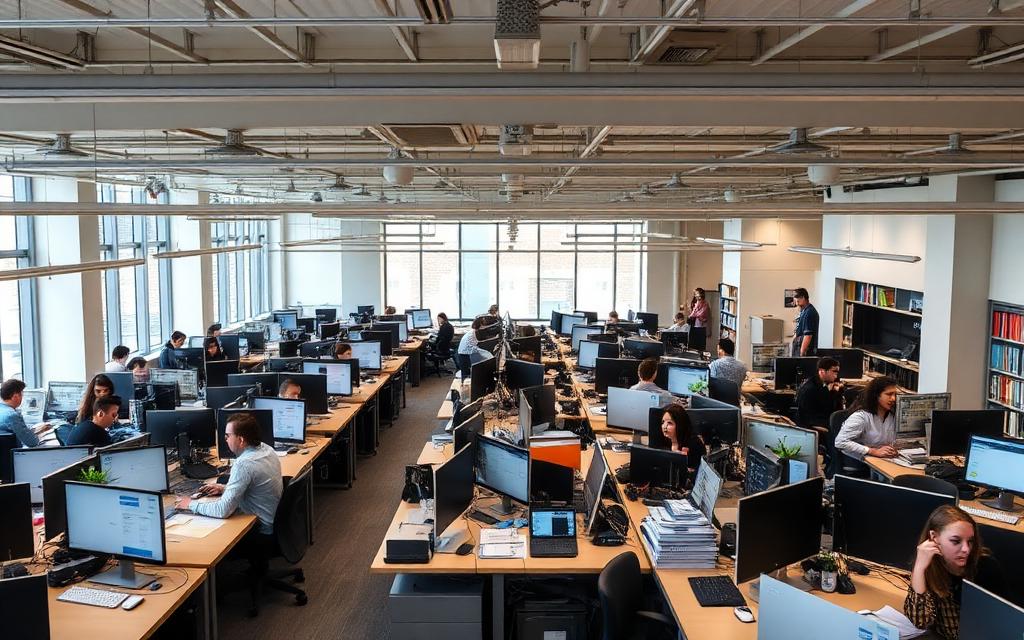
Research from Cornell University found that workers exposed to open-office noise for just three hours showed elevated levels of epinephrine – a stress hormone that impairs cognitive function. Yet most people never measure the noise in their workspace.
In this article, we explore the science behind noise and productivity, the ideal sound levels for different types of work, and practical steps to optimize your acoustic environment.
Table of Contents
- The Science Behind Noise and Focus
- The Goldilocks Zone for Productivity
- How Noise Impacts Different Types of Work
- Common Workplace Noise Levels
- How to Measure Your Workspace Noise
- Practical Steps to Reduce Workspace Noise
Is your workspace too loud? [Measure your room noise instantly with SnapRoomScore](/) – no app needed, works right in your browser.
The Science Behind Noise and Focus
Ambient noise above 70 dB can reduce cognitive performance by up to 66%. Our brains have a limited capacity for processing information, and noise competes directly with the mental resources needed for complex thinking.
When ambient noise exceeds 50 dB (the level of a normal conversation), your auditory cortex begins competing with the prefrontal cortex – the region responsible for complex thinking, decision-making, and creative work. This creates cognitive interference that slows processing speed and increases error rates.
How Your Brain Processes Noise
Your brain constantly monitors sounds in the background, even when you're not consciously listening. This evolutionary survival mechanism means that sudden or unpredictable noises trigger an involuntary attention response, pulling your focus away from the task at hand.
A study from the University of California found that after a noise interruption, it takes an average of 23 minutes to fully return to the original task. In a typical noisy office, these interruptions can happen dozens of times per day.

The Goldilocks Zone for Productivity
The ideal noise level depends on the type of work you're doing. For analytical tasks, silence is golden. For creative work, moderate noise can actually help.
A landmark study published in the Journal of Consumer Research found that moderate ambient noise around 50–70 dB can boost creative thinking. The slight disruption prevents overly focused attention, which encourages broader, more abstract cognitive processing.
However, for detail-oriented work – coding, writing, data analysis, financial calculations – noise below 40 dB produces the best results.
| Work Type | Ideal Noise Level | Examples |
|---|---|---|
| Deep analytical work | Below 40 dB | Coding, writing, data analysis |
| Creative thinking | 50–70 dB | Brainstorming, design, ideation |
| Routine tasks | Up to 70 dB | Email, filing, scheduling |
| Conversations | 60–70 dB | Meetings, calls, collaboration |
How Noise Impacts Different Types of Work
Concentration-Heavy Tasks
Tasks that require sustained attention suffer the most from noise. Programming, legal analysis, and technical writing all show significant performance drops when ambient noise exceeds 50 dB. Error rates increase, and completion times can double.
Creative Work
Interestingly, moderate background noise creates a mild level of distraction that prevents you from fixating on details. This broader thinking pattern is exactly what creativity requires. Coffee shop noise (around 60–70 dB) is often cited as ideal for creative work.
Communication and Collaboration
For meetings and phone calls, background noise becomes a comprehension problem. When ambient noise exceeds 60 dB, speech intelligibility drops significantly, leading to miscommunication and the need to repeat information.
Not sure how loud your workspace is? [Open SnapRoomScore](/) and measure it in seconds – it's free and private.
Common Workplace Noise Levels
Understanding typical noise levels helps you evaluate your own workspace. Here are common benchmarks:
| Environment | Typical dB Level |
|---|---|
| Quiet home office | 30–40 dB |
| Private office | 40–50 dB |
| Open-plan office | 60–75 dB |
| Coffee shop | 65–80 dB |
| Co-working space | 55–70 dB |
| Construction nearby | 80–100 dB |
If your workspace regularly exceeds 60 dB, your productivity is likely being impacted more than you realize.
How to Measure Your Workspace Noise
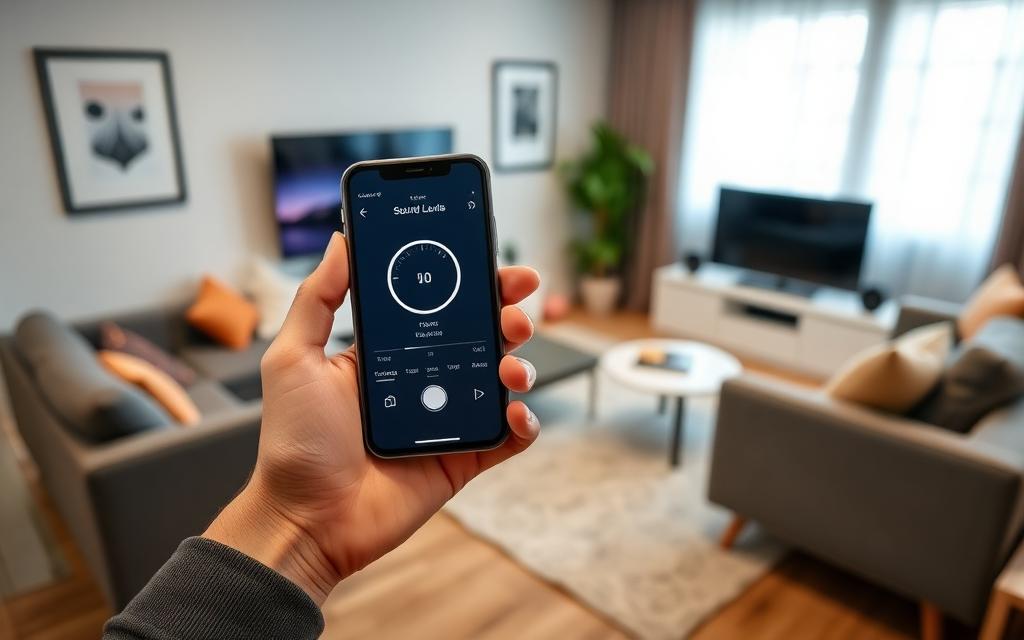
You can't improve what you don't measure. Use SnapRoomScore to instantly measure the noise level in your workspace using your device microphone. No installation or special equipment required.
Step-by-Step Measurement
- Open SnapRoomScore in your browser
- Allow microphone access when prompted
- Place your device on your desk at a natural position
- Let it measure for at least 30 seconds
- Note your average decibel reading
For the most accurate picture, measure at different times throughout the day. You may discover that your office is quiet in the morning but exceeds 70 dB after lunch. Use the trends feature to track these patterns over time.
Practical Steps to Reduce Workspace Noise
Once you know your noise levels, you can take targeted action:
Quick Wins (Under $20)
- Use a door draft stopper to seal gaps
- Add adhesive weather stripping to windows
- Place a rug under your desk to absorb sound
- Rearrange furniture – bookshelves against shared walls act as sound barriers
Medium Investments ($20–$100)
- Get a white noise machine to mask unpredictable sounds
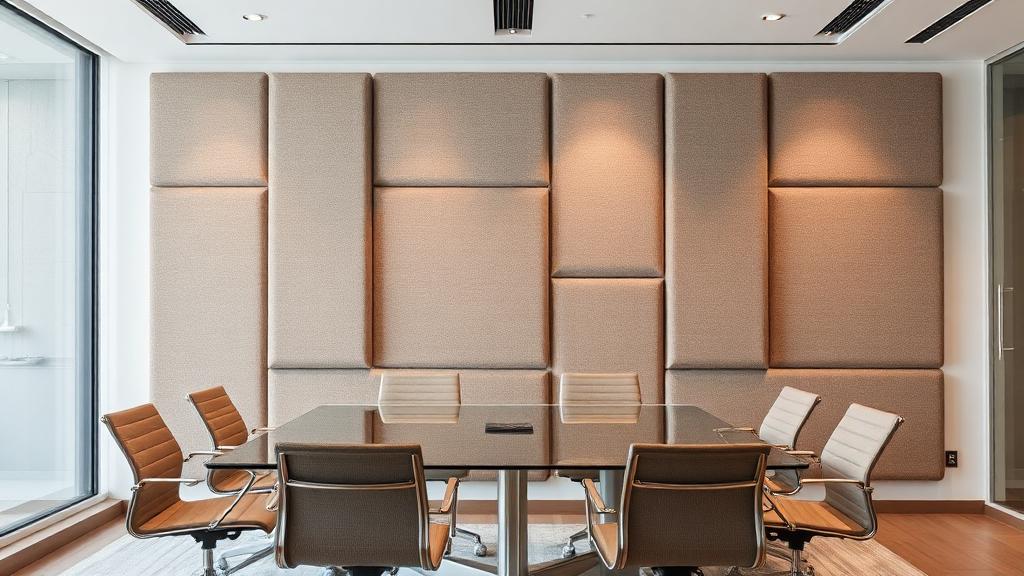
- Install acoustic foam panels behind your desk
- Hang heavy curtains on windows facing noisy streets
- Use noise-canceling earbuds for focused work sessions
Workspace Strategy
- Create zones: Designate quiet zones (under 40 dB) for deep work and moderate zones (50–60 dB) for collaborative or creative tasks
- Schedule wisely: Identify your quietest hours using SnapRoomScore and protect them for demanding cognitive tasks
- Communicate boundaries: A simple "Deep Work" sign or closed door can reduce interruptions by up to 80%
Read more about practical noise reduction methods and the best noise-canceling gadgets for your workspace. For reference levels, see our decibel chart and acceptable noise levels guide.
Ready to boost your productivity? [Measure your workspace noise with SnapRoomScore](/) – it takes less than a minute and requires no setup.
FAQ
What noise level is best for productivity?
For deep analytical work, noise below 40 dB is ideal. For creative tasks, moderate ambient noise between 50–70 dB can actually boost abstract thinking.
How much does noise reduce productivity?
Research shows that noise levels above 70 dB can reduce cognitive performance by up to 66%, particularly for tasks requiring sustained concentration.
Can background noise ever help you focus?
Yes. Moderate, consistent background noise (50–70 dB) can enhance creative thinking by slightly disrupting focused attention, which promotes broader cognitive processing.