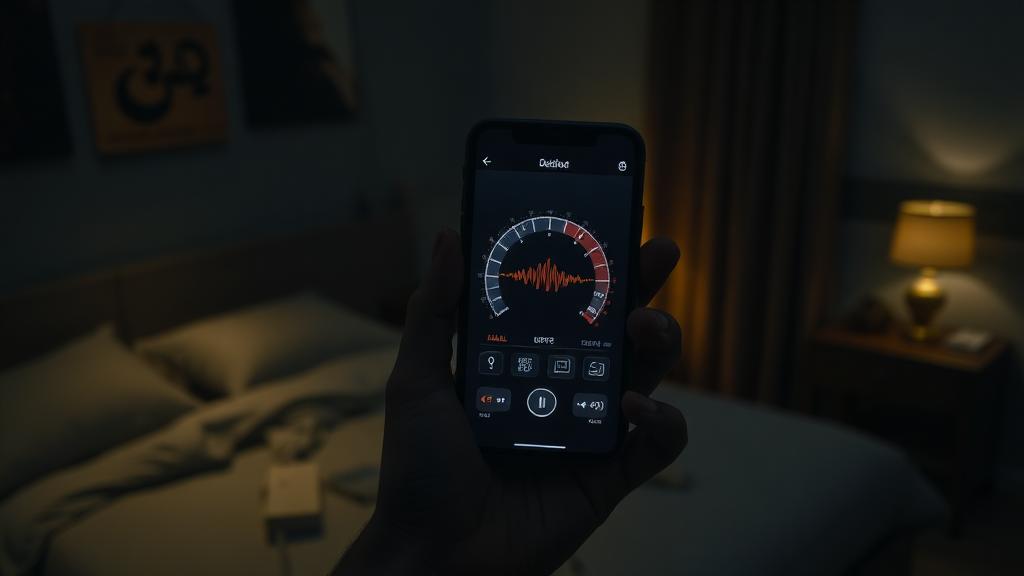
Why Measuring Bedroom Noise Improves Your Sleep
Last updated: July 25, 2026
Reviewed by acoustic research sources and WHO guidelines.
Most people significantly underestimate how much noise affects their daily life. The sounds around you – even ones you've stopped consciously noticing – directly impact how well you sleep, how deeply you focus, and how much energy you have throughout the day.
The World Health Organization recommends nighttime noise levels below 30 dB for healthy sleep, yet many bedrooms regularly exceed 40–50 dB due to traffic, appliances, and neighborhood activity. The problem? Most people have no idea what their actual noise levels are.
This article explains why measuring your noise environment is the single most effective first step toward better sleep and sharper focus.
Table of Contents
- How Noise Disrupts Sleep Architecture
- The Hidden Cost of Nighttime Noise
- Why Sleep Noise Behaves Differently From Daytime Noise
- The Power of Awareness
- How to Measure Your Room Noise
- Practical Steps for a Quieter Bedroom
Curious how loud your room really is? [Measure your noise level with SnapRoomScore](/) – free, instant, and no installation needed.
How Noise Disrupts Sleep Architecture
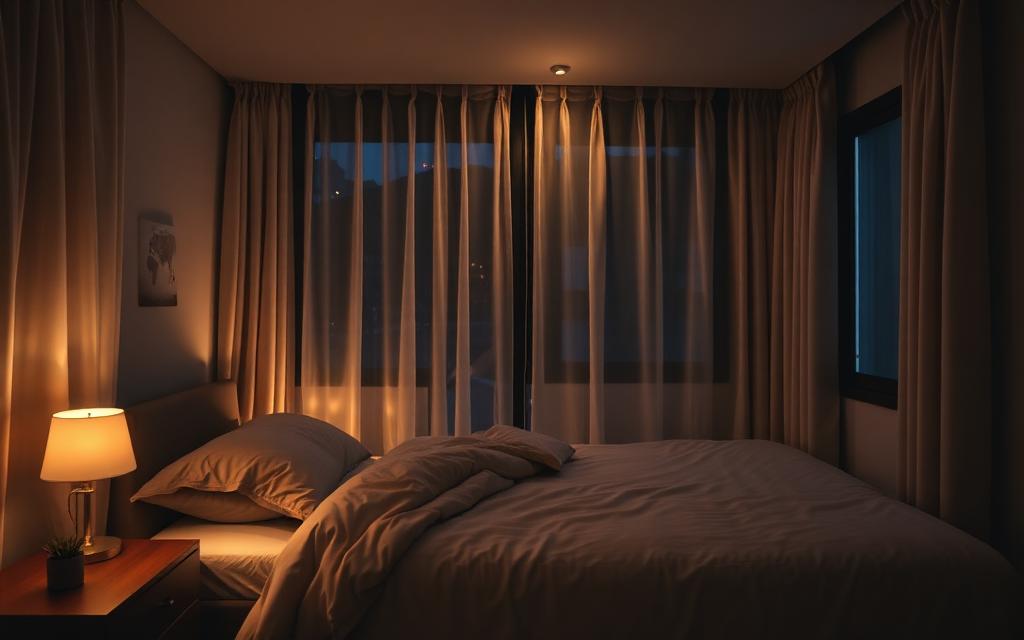
Even noise that doesn't wake you up can reduce the restorative quality of your sleep by disrupting deep sleep stages. Research shows that sounds as low as 33 dB can shift you from Stage 3/4 deep sleep to lighter sleep stages.
Your sleep follows a predictable cycle: light sleep, deep sleep, and REM sleep. Each cycle takes about 90 minutes, and you typically complete 4–6 cycles per night. Deep sleep is when your body repairs itself, consolidates memories, and releases growth hormones.
What Happens When Noise Interrupts Deep Sleep
When noise triggers a shift from deep to light sleep, you lose the most restorative phase of your sleep cycle. Even if you don't wake up, the damage is done:
- Memory consolidation is interrupted – learning and skill development suffer
- Physical recovery slows down – muscle repair and immune function are reduced
- Hormone regulation is disrupted – cortisol levels may rise, affecting mood and appetite
- Cardiovascular stress increases – nighttime noise is linked to elevated blood pressure
This means you can sleep 8 hours and still wake up feeling tired, unfocused, and irritable. The quantity of sleep is fine – but the quality is compromised.
The Hidden Cost of Nighttime Noise
Most bedroom noise sources go unnoticed because you've adapted to them. Common culprits include:
| Noise Source | Typical dB Level | Impact on Sleep |
|---|---|---|
| Quiet neighborhood | 25–30 dB | Ideal for sleep |
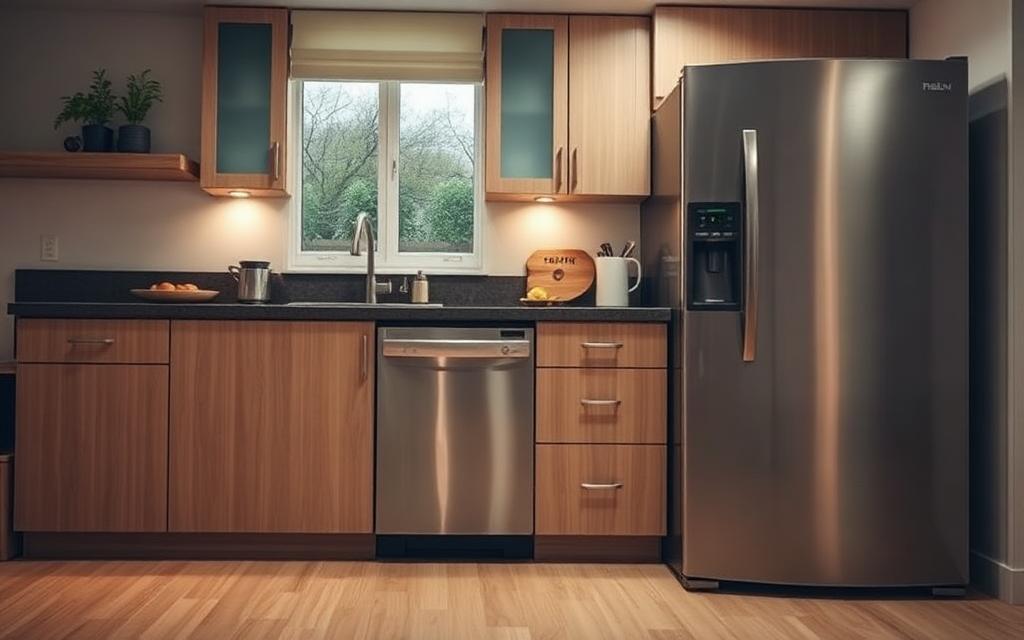
| Refrigerator hum | 35–45 dB | Can disrupt deep sleep |
| Light traffic | 40–50 dB | Reduces sleep quality |
| Partner snoring | 50–70 dB | Significant disruption |
| Busy road | 60–80 dB | Major sleep interference |
| Air conditioning unit | 40–55 dB | Constant disruption |
Many of these sources produce consistent noise you've learned to ignore while awake. But your sleeping brain doesn't have that filter – it responds to sound at a much lower threshold than your waking brain.
The Cumulative Effect
One noisy night might not matter much. But chronic exposure to nighttime noise above 30 dB is associated with:
- Increased risk of cardiovascular disease
- Higher rates of anxiety and depression
- Reduced cognitive performance during the day
- Weight gain due to disrupted hormone regulation
Why Sleep Noise Behaves Differently From Daytime Noise
Your hearing does not switch off at night — it stays on as a threat-detection system, which is why the thresholds that matter for sleep are far lower than the ones that matter for hearing damage or concentration.
The key difference is predictability. Constant, steady noise like a fan is easy for the sleeping brain to habituate to. Sudden, unpredictable sounds — a door slamming, a car passing, a dog barking — trigger an involuntary arousal response even when they are relatively quiet. This is why an average reading alone is misleading for a bedroom: a room averaging 30 dB with regular 55 dB spikes disrupts sleep more than a steady 38 dB room.
That is exactly what a timed measurement reveals. The gap between your minimum and peak readings tells you whether you have a *level* problem or a *spike* problem — and they need completely different fixes.
Noise damages daytime focus too, through a different mechanism. If concentration rather than sleep is your concern, read how room noise affects your productivity.
Start tracking your noise today. [Open SnapRoomScore](/) and take your first measurement – it only takes seconds.
The Power of Awareness
What gets measured gets improved. Many SnapRoomScore users report making changes they never would have considered before simply because they became aware of their actual noise levels.
Common Discoveries from Noise Measurement
People who start measuring their room noise frequently discover:
- Their bedroom is 15–20 dB louder than they assumed
- The AC unit produces more noise than outside traffic
- Noise levels spike at specific predictable times
- One side of the room is significantly quieter than another
- Moving their bed or desk a few feet makes a measurable difference
These insights are only possible through measurement. Your subjective perception of noise is unreliable – you adapt to constant sounds and underestimate their impact.
Building a Noise Profile
By measuring at different times of day and in different rooms, you build a complete noise profile of your home. This tells you:
- Which room is best for sleeping
- When your quietest hours occur for focused work
- Which noise sources to prioritize fixing
- Whether changes you make actually improve the situation
Use the trends feature in SnapRoomScore to track these patterns automatically.
How to Measure Your Room Noise
Getting started takes less than a minute:
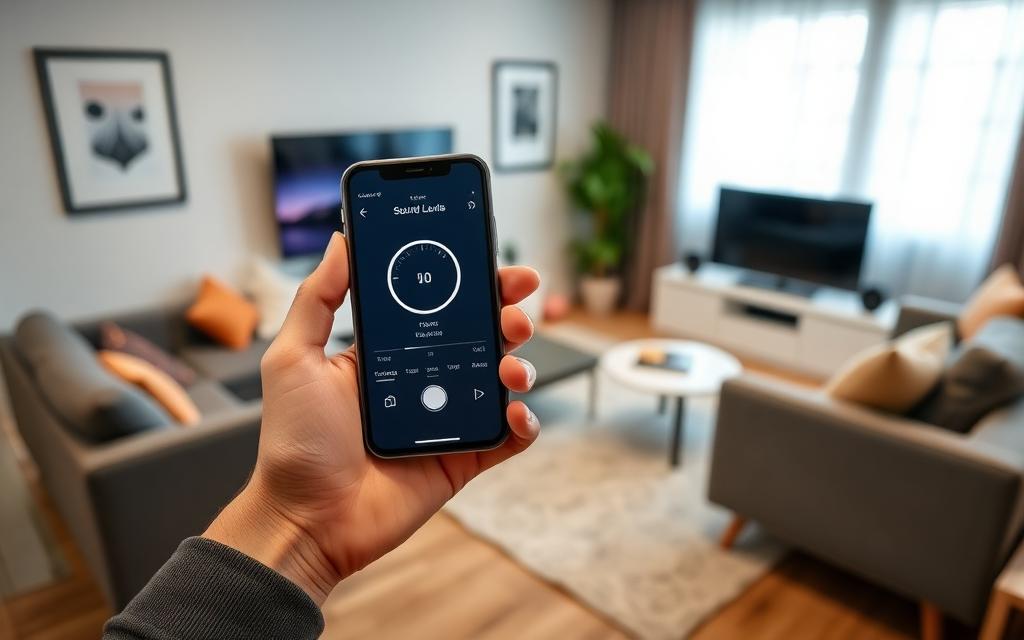
- Open SnapRoomScore in your browser
- Allow microphone access when prompted
- Place your device in the position you want to measure (on your pillow, on your desk)
- Let it measure for at least 30–60 seconds
- Note the average reading and the peak level
Tips for Accurate Measurements
- Measure at different times: Noise varies throughout the day – capture morning, afternoon, and nighttime readings
- Measure in different rooms: Compare your bedroom, home office, and living room
- Measure before and after changes: This shows you exactly how much improvement each change provides
- Track trends: Use the trends page to spot patterns over time
Practical Steps for a Quieter Bedroom
Once you understand your noise environment, take targeted action:
For Better Sleep
- Target below 30 dB: If your bedroom exceeds this, prioritize noise reduction
- Use a white noise machine: Consistent 40 dB white noise can mask unpredictable sounds without disrupting sleep
- Install heavy curtains: Acoustic curtains reduce incoming noise by 5–10 dB
- Seal window and door gaps: Inexpensive weather stripping can make a noticeable difference
- Move your bed: Sometimes the quietest spot in a room is a few feet from where your bed currently sits
For Better Focus
- Identify quiet hours: Schedule your most demanding work during naturally quiet periods
- Use noise-canceling headphones: They can reduce ambient noise by up to 25 dB
- Create a measurement habit: Check your noise levels weekly to maintain awareness
- Optimize your workspace: Place your desk in the quietest corner and add soft furnishings to absorb sound
Read more about ideal bedroom noise levels for sleep and how to measure noise with your phone. For reference, check the decibel chart and acceptable noise levels guide.
Take the first step toward better sleep and focus. [Measure your room with SnapRoomScore](/) – it's free, private, and takes just seconds.
FAQ
Do I need to hear noise for it to hurt my focus or sleep quality?
Yes. Noise as low as 33 dB can shift you from deep sleep to lighter sleep stages, reducing the restorative quality of your rest without fully waking you.
How often should I measure noise in my bedroom?
Measure at least once a week, at different times. This helps identify patterns like traffic peaks, noisy neighbors, or appliance cycles that may disrupt your sleep.
What is the best noise level for focus?
For concentrated, analytical work, ambient noise should stay below 40 dB. For creative work, moderate background noise of 50–70 dB can actually improve performance.