What Does 'Quiet' Actually Feel Like? (Real-Life Examples)
Last updated: March 17, 2026
Reviewed by acoustic research sources and WHO guidelines.
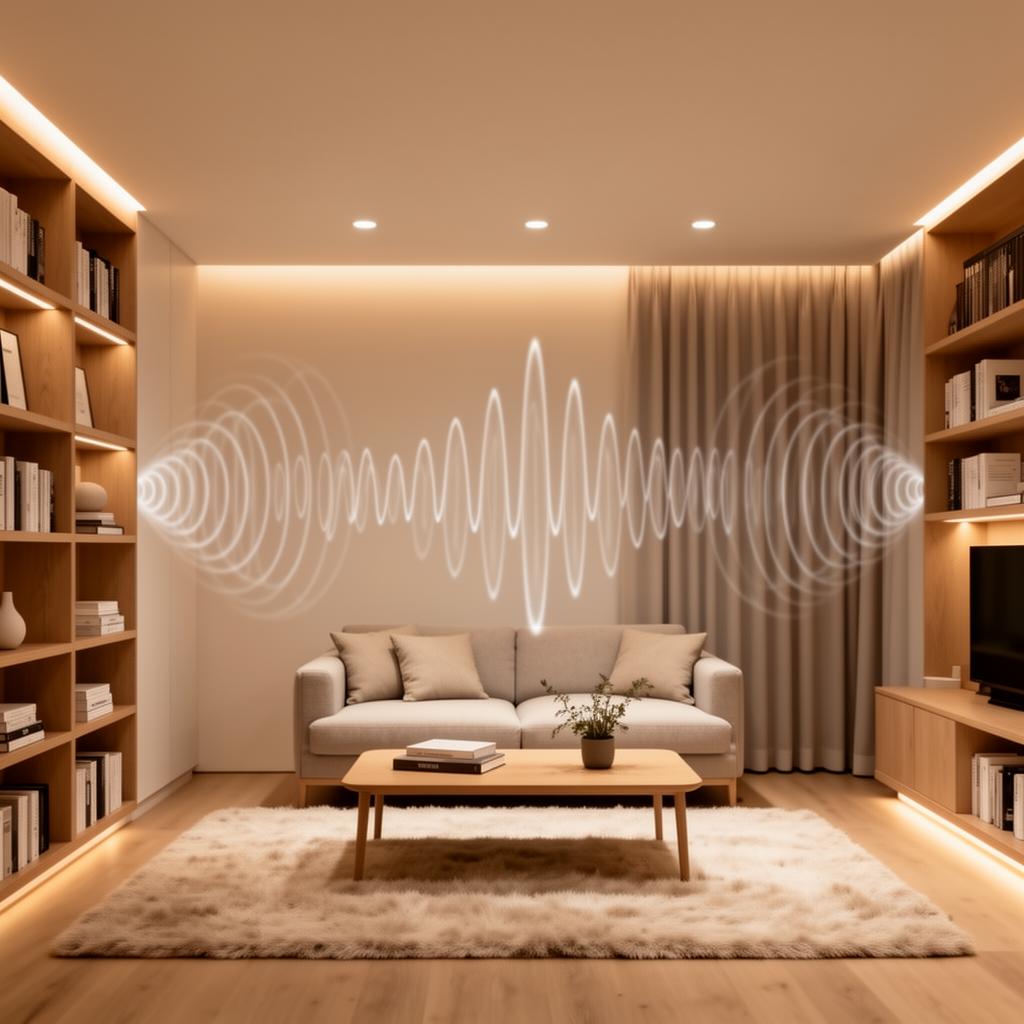
"My room is quiet." But is it? Most people dramatically underestimate how noisy their environments actually are. What feels quiet might be 45 dB — fine for casual relaxation but terrible for deep sleep or focused work.
This guide gives you concrete, real-world numbers so you know exactly what "quiet" means for every room in your home — and how to test whether your space actually qualifies.
Table of Contents
- What Does "Quiet" Mean in Decibels?
- Real-World Room Noise Examples
- Ideal Noise Levels by Room Purpose
- The Myth of Complete Silence
- How to Measure Your Room
- What to Do If Your Room Is Too Loud
- FAQ
Find out how quiet your room really is. [Measure it with SnapRoomScore](/) — instant, free, no download.
What Does "Quiet" Mean in Decibels?
Perception of "quiet" is subjective and relative. Someone who lives near an airport considers 50 dB quiet. Someone in a rural area considers 30 dB noisy. But objective standards exist:
| Category | dB Range | Real-World Feel |
|---|---|---|
| Silent | 0–15 dB | Anechoic chamber, unnatural |
| Extremely quiet | 15–25 dB | Quiet rural area at 3am |
| Very quiet | 25–35 dB | Suburban home at night |
| Quiet | 35–45 dB | Daytime living room, no TV |
| Moderate | 45–55 dB | Quiet office, light traffic |
| Noisy | 55–65 dB | Busy restaurant, loud office |
| Loud | 65+ dB | Heavy traffic, construction |
Most health research defines "quiet" as below 35 dB for sleep environments and below 45 dB for work environments.
For a complete reference, see our decibel chart with common sounds and what constitutes a normal home noise level.
Real-World Room Noise Examples
These are actual measurements from common residential environments:
Bedrooms at Night
- Quiet suburban home, closed windows: 22–28 dB
- Urban apartment, closed windows: 30–38 dB
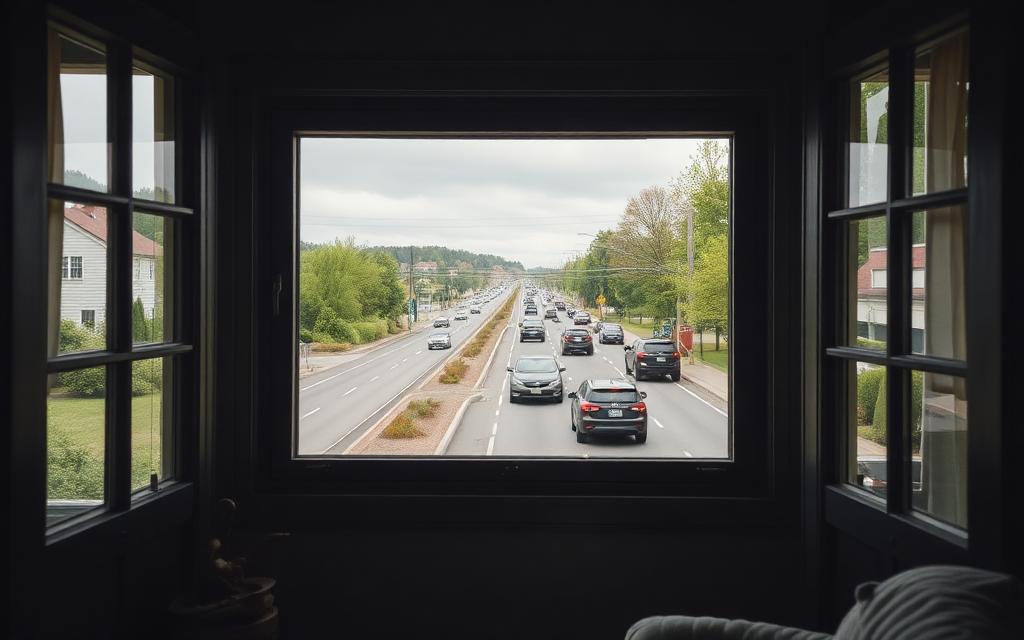
- Urban apartment, open windows: 40–55 dB
- Near busy road, closed windows: 35–45 dB
- Near highway or airport: 45–60 dB
Living Rooms
- Empty, no appliances: 28–35 dB
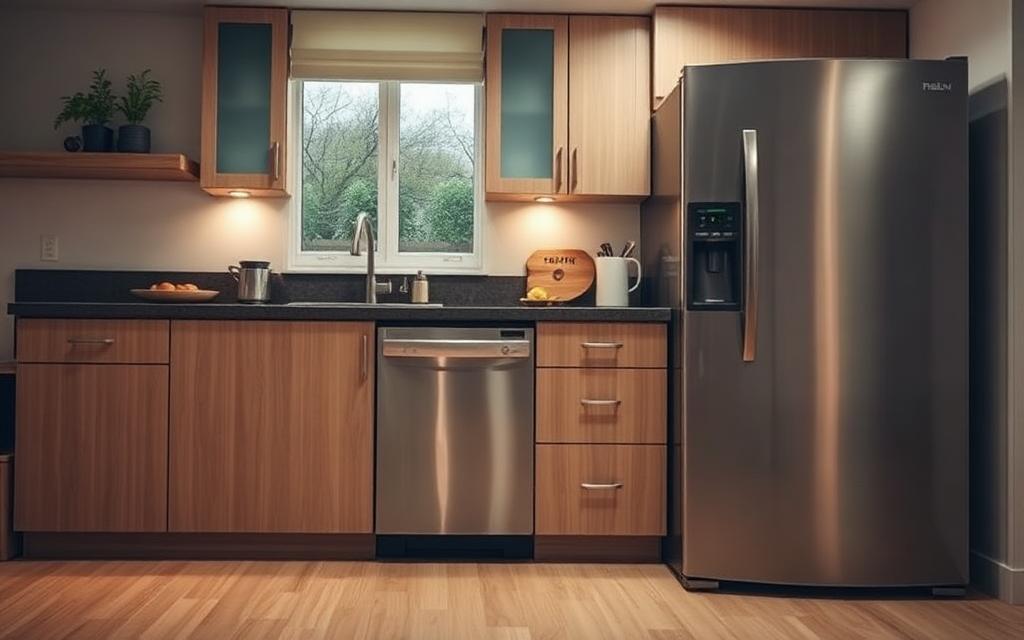
- Refrigerator running in adjacent kitchen: 35–42 dB
- Light conversation: 50–60 dB
- TV at moderate volume: 55–65 dB
Home Offices
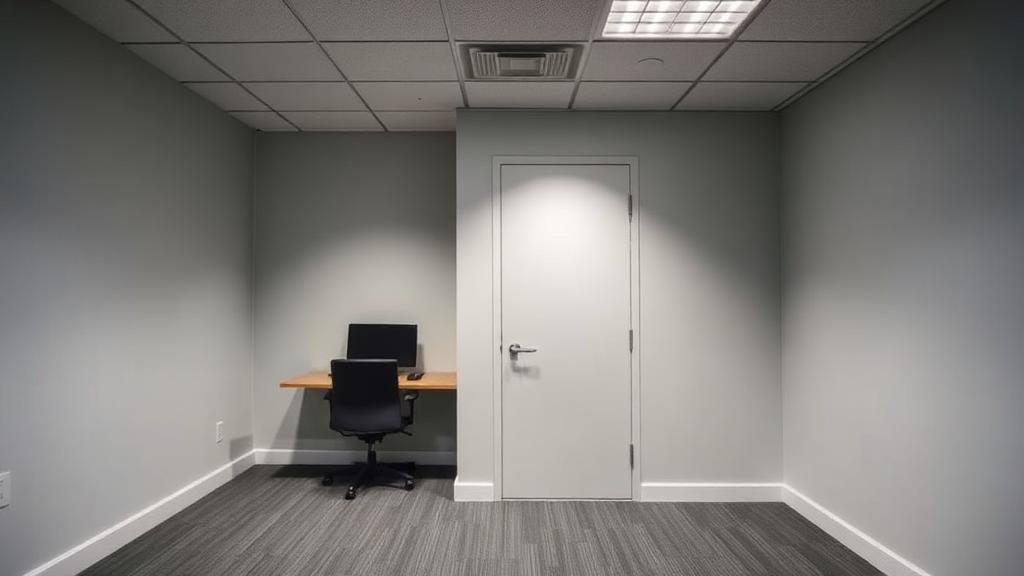
- Quiet room, no HVAC: 25–35 dB
- HVAC running: 35–48 dB
- Computer fans audible: 32–40 dB
- Open window on quiet street: 40–50 dB
- Open-plan shared space: 50–65 dB
Kitchens
- Idle (refrigerator only): 35–42 dB
- Dishwasher running: 45–55 dB
- Cooking actively: 55–70 dB
Ideal Noise Levels by Room Purpose
Different activities have different noise tolerances. Here is what research suggests:
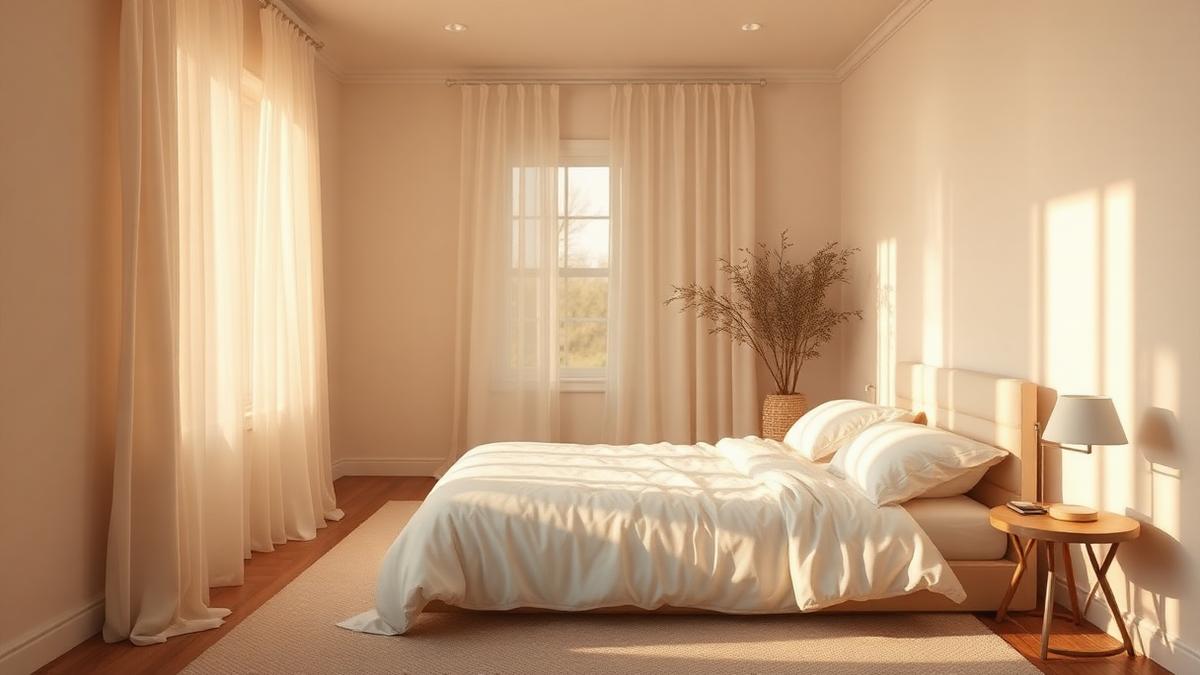
Sleep (Target: under 30 dB)
The WHO recommends continuous bedroom noise below 30 dB for healthy sleep. Even noise that does not wake you can shift you from deep sleep to lighter stages, reducing rest quality.
At 35 dB, you may not notice a problem — but sleep studies show measurably reduced sleep quality. At 40 dB, most people experience some sleep disruption.
Read our detailed guide on bedroom noise levels for sleep.
Deep Focus Work (Target: under 40 dB)
Research on cognitive performance consistently shows that noise above 45–50 dB impairs complex thinking, creative problem-solving, and reading comprehension. For best focus, aim for under 40 dB.
Some people work well with ambient noise around 50 dB (the "coffee shop effect"), but this works best for routine tasks rather than deep analytical work.
Learn more about how noise affects productivity.
Conversation (Target: under 50 dB background)
For comfortable conversation, the background noise should be at least 10 dB below the speaker's voice. Normal speech is about 60 dB, so a background below 50 dB allows clear communication without raising voices.
Video Calls (Target: under 40 dB)
Video call software uses compression and noise gates that make background noise more noticeable. For professional-sounding calls, aim for a room with background noise below 40 dB.
Music Listening (Target: under 35 dB)
To hear the full dynamic range of music — from quiet passages to loud peaks — the background noise should be below 35 dB. Higher backgrounds mask quiet details and force you to listen at louder (potentially damaging) volumes.
Don't guess — measure. [Open SnapRoomScore](/) and find out your room's actual noise level in seconds.
The Myth of Complete Silence
Complete silence sounds appealing but is actually uncomfortable. Anechoic chambers (specially designed rooms that absorb virtually all sound) are famously unsettling:
- You hear your own heartbeat and blood flow
- Your breathing sounds unnaturally loud
- The lack of environmental cues creates disorientation
- Most people become uncomfortable within 10–15 minutes
A gentle background of 20–25 dB — equivalent to a quiet rural night or a lightly ventilated room — feels natural and pleasant. This is the acoustic equivalent of "comfortable silence."
The goal is not zero noise, but appropriate noise for the activity. A bedroom at 25 dB is excellent. A bedroom at 0 dB would feel eerie.
How to Measure Your Room
The only way to know your room's actual noise level is to measure it. Perception is unreliable — we adapt to noise over time and lose awareness of it.
Quick Measurement Process
- Open SnapRoomScore on your phone or laptop
- Grant microphone access
- Place the device at your typical position (nightstand for bedrooms, desk for offices)
- Measure for 60 seconds minimum
- Note the average reading
For the Most Useful Data
- Measure at different times: Morning, afternoon, evening, and late night
- Measure with windows open and closed
- Measure on weekdays and weekends (traffic patterns differ)
- Measure with HVAC on and off
This gives you a complete acoustic profile of your space. You can then decide which conditions to optimize.
For a complete measurement guide, read how to measure noise with your phone.
What to Do If Your Room Is Too Loud
If your measurements show your room exceeds the recommended levels:
For Bedrooms Above 30 dB
- Close windows at night (consider trickle vents for fresh air)
- Add heavy curtains over windows
- Seal gaps around doors
- Use a white noise machine to mask irregular noise
- Consider earplugs for persistent issues
For Offices Above 45 dB
- Identify the main noise source (HVAC, traffic, neighbors)
- Add soft furnishings — rugs and curtains
- Use noise-canceling headphones for focus periods
- Relocate your desk away from noise sources
- Seal windows and doors
For Living Rooms Above 50 dB
- Check and service noisy appliances
- Add area rugs on hard floors
- Close windows during peak traffic times
- Add soft furnishings to reduce reverberation
For comprehensive solutions, see our guides on reducing noise in a room and improving acoustics without expensive panels.
Take control of your acoustic environment. [Measure your room now with SnapRoomScore](/) — free, instant, and private.
FAQ
How quiet should a bedroom be?
For healthy sleep, the WHO recommends bedroom noise below 30 dB. A truly quiet bedroom measures 20–25 dB. Most urban bedrooms at night measure 30–40 dB, which may already impact sleep quality.
What is a comfortable noise level for working?
For focused knowledge work, noise should stay below 45 dB. For routine tasks, up to 55 dB is acceptable. Open offices often exceed 60 dB, which significantly impairs concentration.
Is complete silence healthy?
Not necessarily. Extremely quiet rooms (under 15 dB) can feel uncomfortable — you start hearing your own heartbeat and blood flow. A gentle background of 20–25 dB feels natural and comfortable for most people.