Is Traffic Noise Too Loud in Your Home?
Last updated: March 14, 2026
Reviewed by acoustic research sources and WHO guidelines.
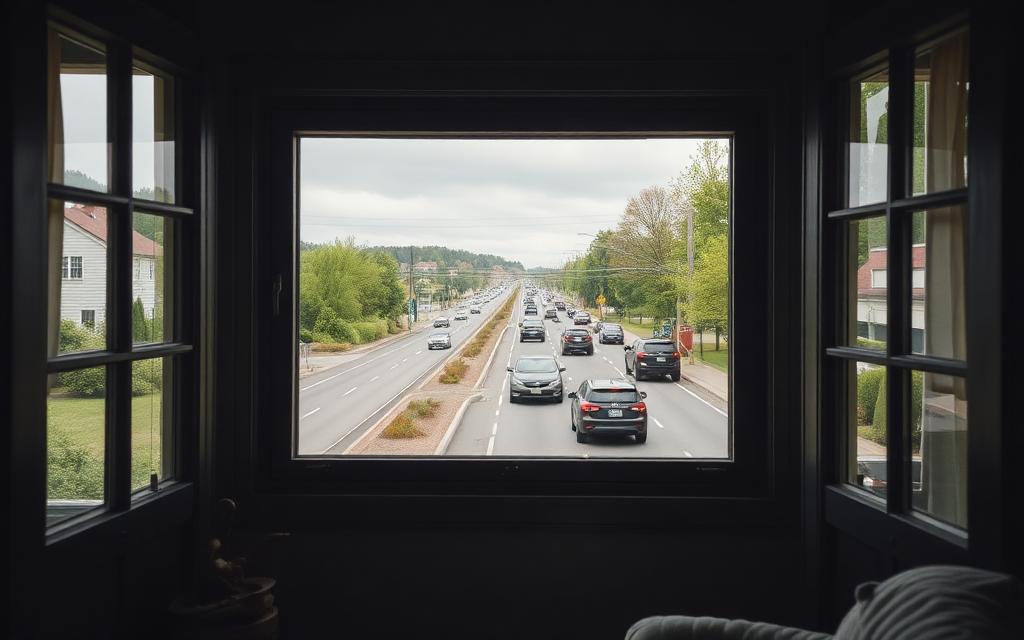
If you live near a busy road, highway, or intersection, traffic noise may be significantly impacting your quality of life. Road noise is one of the most common sources of indoor noise pollution, affecting millions of homes worldwide.
This article explains how loud traffic noise typically is, what levels are considered too loud inside a home, the health effects of chronic road noise exposure, and how to measure the traffic noise in your own home.
Table of Contents
- How Loud Is Traffic Noise?
- Common Traffic Noise Levels
- Road Noise Inside Homes
- Health Effects of Traffic Noise
- How to Measure Outside Noise Indoors
- Reducing Traffic Noise in Your Home
- FAQ
Concerned about traffic noise in your home? [Measure your indoor noise level with SnapRoomScore](/) and find out exactly how loud it is.
How Loud Is Traffic Noise?
Traffic noise varies widely depending on the type of road, traffic volume, speed, and vehicle types. A quiet residential street might produce 45–55 dB, while a busy highway can generate 70–85 dB at the roadside.
Traffic noise is measured at the source (roadside) and at the receiver (inside your home). The difference between these two numbers depends on the building's sound insulation properties.
Types of Traffic Noise
- Continuous traffic flow – A steady hum from highways and busy roads (55–75 dB)
- Individual vehicles – Cars passing on a quiet street create intermittent noise events (50–65 dB per event)
- Heavy vehicles – Trucks and buses produce significantly more noise (75–90 dB)
- Motorcycles – Often the loudest individual vehicles (80–100 dB)
- Honking – A single horn blast can reach 100–110 dB
Common Traffic Noise Levels
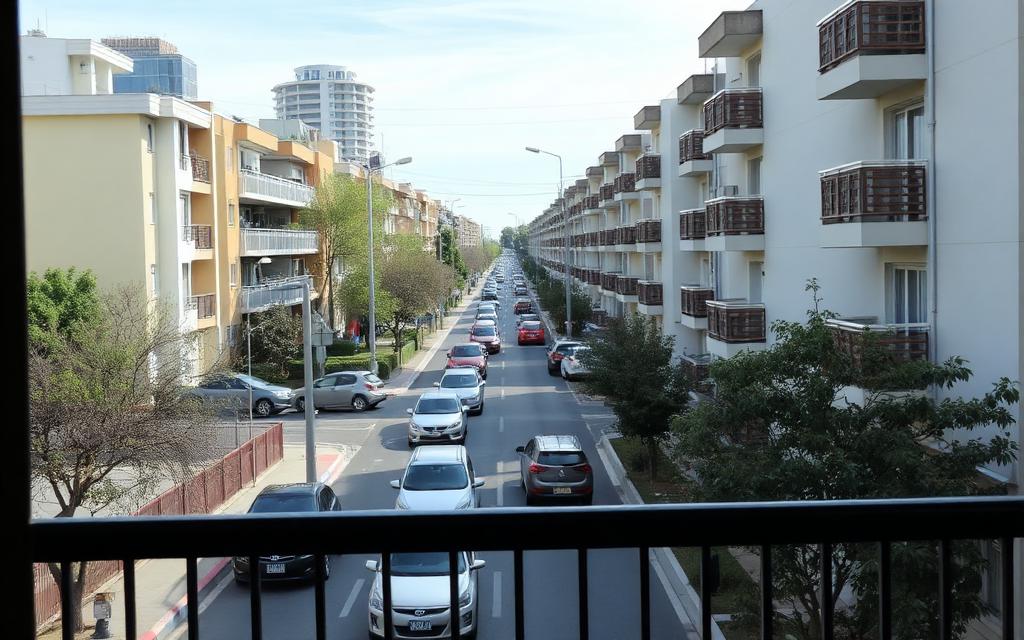
Here is a reference table for traffic noise at different distances and road types:
| Road Type | Distance | Typical dB Level |
|---|---|---|
| Quiet residential street | 10 meters | 45–55 dB |
| Busy urban road | 10 meters | 65–75 dB |
| Highway/motorway | 50 meters | 70–80 dB |
| Highway/motorway | 100 meters | 60–70 dB |
| Highway/motorway | 300 meters | 50–60 dB |
These measurements are taken outdoors. The levels you experience inside your home depend on your building's insulation.
Road Noise Inside Homes
The amount of traffic noise that enters your home depends on several factors:
Building Factors That Affect Indoor Noise
- Window type and quality
- Single-pane windows: reduce noise by 10–15 dB
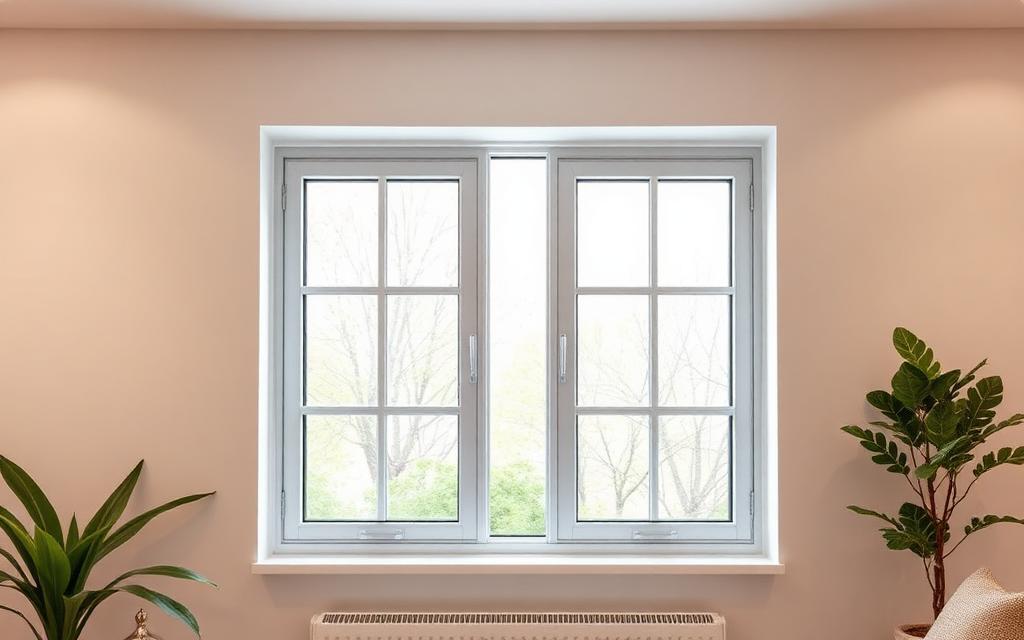
- Double-glazed windows: reduce noise by 25–35 dB
- Triple-glazed windows: reduce noise by 35–45 dB
- Wall construction
- Thin drywall: reduces noise by 15–20 dB
- Brick walls: reduce noise by 25–35 dB
- Insulated concrete: reduce noise by 40–50 dB
- Gaps and openings
- Open windows reduce sound insulation to nearly zero
- Unsealed gaps around window frames allow significant noise through
- Ventilation openings can act as noise pathways
What This Means in Practice
If traffic outside your home is 70 dB (a typical busy road) and you have:
- Single-pane windows: Indoor noise ≈ 55–60 dB (too loud)
- Double-glazed windows: Indoor noise ≈ 35–45 dB (manageable)
- Triple-glazed windows: Indoor noise ≈ 25–35 dB (quiet)
How loud is traffic noise in your home? [Measure it with SnapRoomScore](/) to get real numbers you can act on.
Health Effects of Traffic Noise
The World Health Organization has identified environmental noise – particularly road traffic noise – as a major public health concern. The effects are well-documented:
Sleep Disturbances
- Nighttime traffic noise above 40 dB can cause awakenings
- Chronic sleep disruption leads to daytime fatigue and reduced performance
- Even noise that does not wake you reduces sleep quality
Cardiovascular Health
Research shows a clear link between traffic noise exposure and:
- Hypertension – Increased blood pressure
- Ischemic heart disease – Higher risk of heart attacks
- Stroke – Elevated risk with chronic exposure above 55 dB
Mental Health and Cognitive Effects
- Increased stress and anxiety levels
- Reduced concentration and cognitive performance
- Annoyance and irritability – Affects quality of life
- Learning difficulties in children exposed to chronic traffic noise
WHO Recommended Limits
The WHO recommends:
- Daytime indoor noise: Below 35 dB for productive work
- Nighttime indoor noise: Below 30 dB for healthy sleep
- Outdoor environmental noise: Below 53 dB as a long-term average
How to Measure Outside Noise Indoors
Measuring traffic noise inside your home gives you the data you need to decide if action is necessary. Here is how to do it:
Step-by-Step Process
- Choose the room closest to the road – This is likely your noisiest room
- Open [SnapRoomScore](/) on your device
- Measure with windows closed – Record the average dB level over 2 minutes
- Measure with windows open – Compare to see how much your windows are blocking
- Measure at peak traffic times – Rush hour typically produces the highest noise levels
- Measure at night – Nighttime levels matter most for sleep
What Your Results Tell You
- Below 30 dB with windows closed: Excellent insulation – your home handles traffic noise well
- 30–40 dB: Good – within recommended limits for most activities
- 40–50 dB: Moderate – consider improvements, especially for bedrooms
- Above 50 dB: Action needed – traffic noise is likely affecting your health and comfort
For more tips on understanding your results, see our article on normal noise levels inside a home. You can also check the full decibel chart to compare common sounds, or review acceptable noise levels for different environments.
Reducing Traffic Noise in Your Home
If your measurements show indoor traffic noise above comfortable levels, here are effective solutions ranked by impact:
High Impact
- Upgrade windows to double or triple glazing – the single most effective improvement
- Install secondary glazing as a more affordable alternative to replacing windows
- Seal all gaps around windows and doors with acoustic-grade sealant
Medium Impact
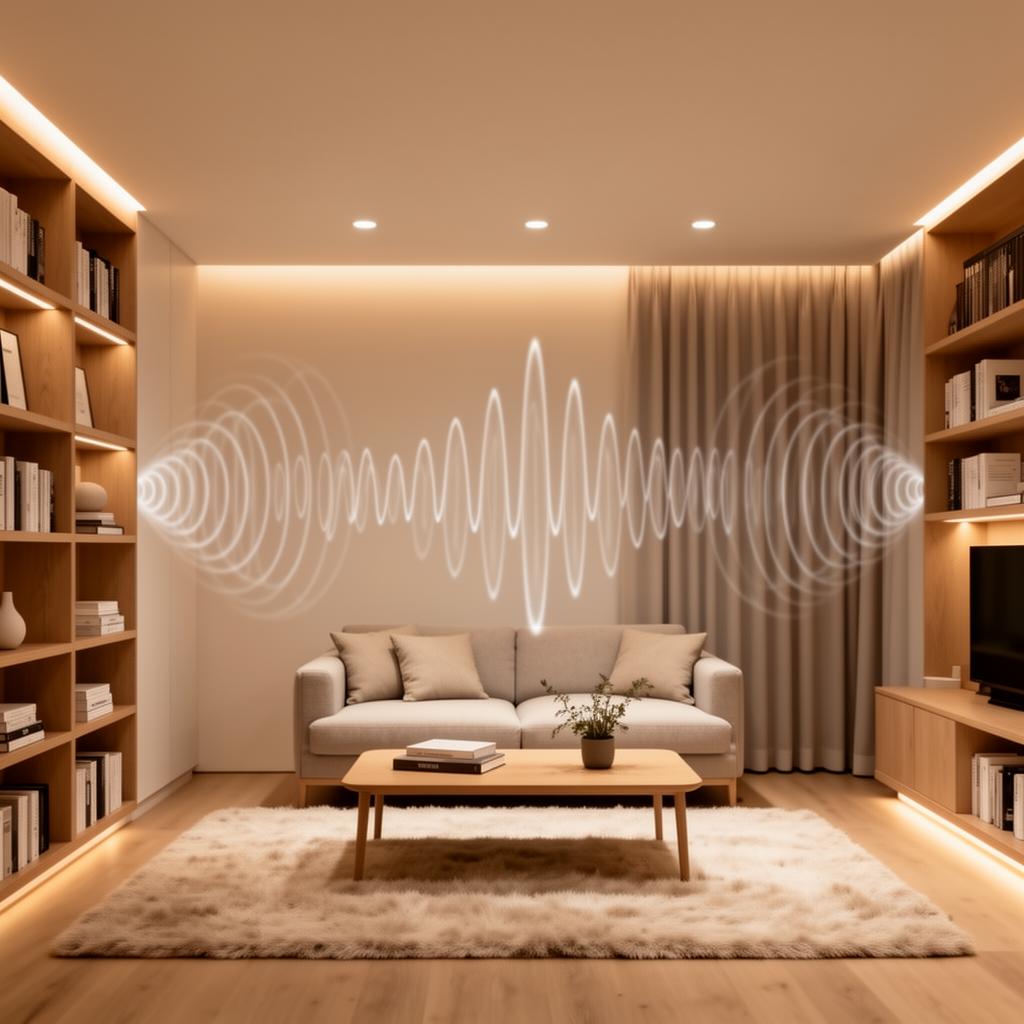
- Hang heavy acoustic curtains – can reduce noise by 5–10 dB
- Add soft furnishings like thick rugs, upholstered furniture, and cushions
- Install acoustic panels on walls facing the road
Additional Strategies
- Use white noise at night to mask traffic sounds
- Rearrange rooms – move bedrooms away from the road if possible
- Plant trees or hedges outside (long-term solution, reduces noise by 3–8 dB)
For a complete guide to noise reduction techniques, check out our article on 8 ways to reduce noise in a room.
Don't guess – measure. [Use SnapRoomScore](/) to find out if traffic noise is affecting your home. Free, instant, and completely private.
FAQ
How loud is traffic noise inside a home?
Traffic noise inside a home typically ranges from 35 to 55 dB, depending on building insulation, window quality, and distance from the road. Homes near highways may experience levels above 60 dB.
Is traffic noise harmful to health?
Yes. The WHO has identified road traffic noise as a significant environmental health risk. Chronic exposure is linked to sleep disturbances, cardiovascular disease, and increased stress levels.
How can I reduce traffic noise in my home?
The most effective methods include installing double-glazed windows, using heavy acoustic curtains, sealing gaps around windows and doors, and adding soft furnishings that absorb sound.