What Makes a Room Sound "Good" or "Bad"?
Last updated: March 17, 2026
Reviewed by acoustic research sources and WHO guidelines.
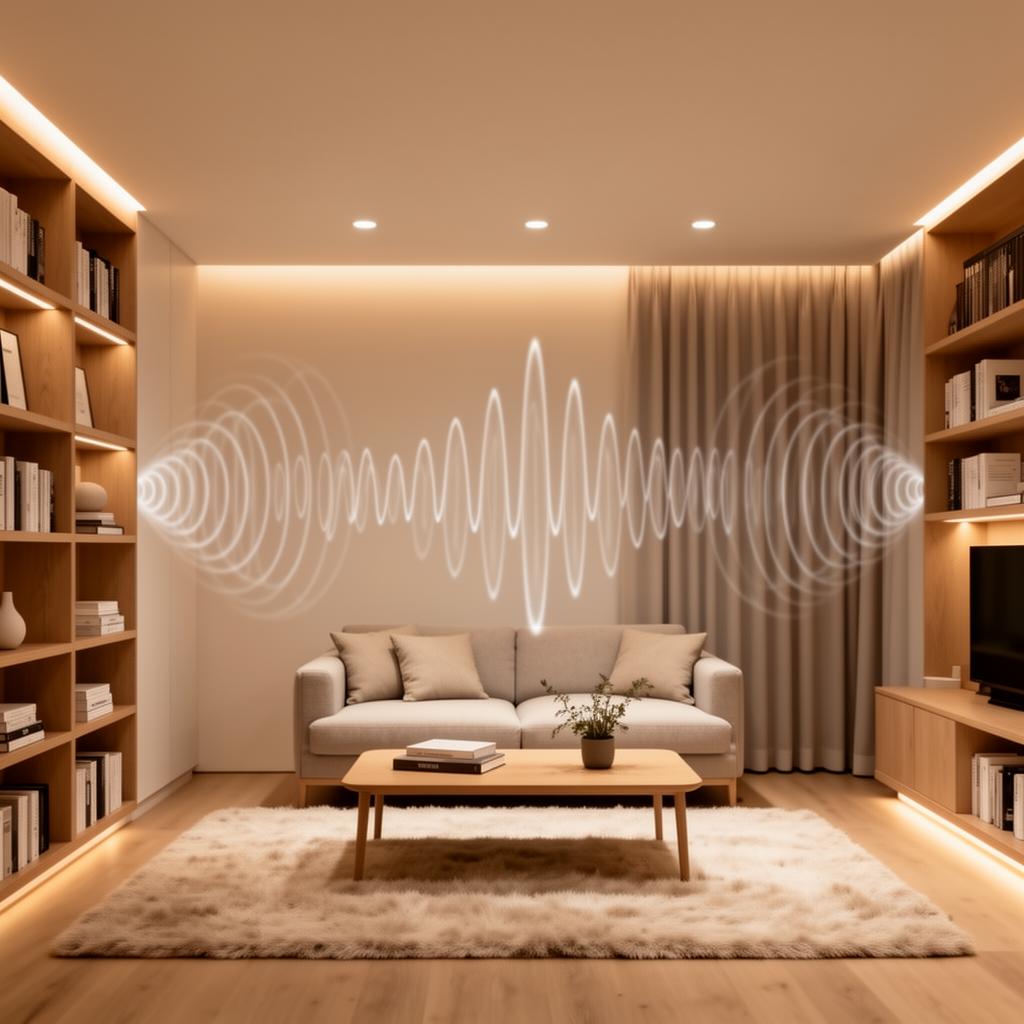
You have probably noticed that some rooms just feel right. Conversations flow naturally, music sounds clear, and the space feels calm. Other rooms make you want to leave — voices echo, sounds clash, and there is an unsettling quality you cannot quite name.
The difference is not random. Specific, measurable acoustic properties determine whether a room sounds pleasant or uncomfortable. Understanding these properties helps you evaluate and improve any space.
Table of Contents
- The Four Pillars of Room Sound Quality
- Noise Floor: The Foundation
- Reverberation: The Character
- Frequency Balance: The Tone
- Sound Distribution: The Evenness
- What "Bad" Room Sound Feels Like
- How to Evaluate Your Room
- Improving Room Sound Quality
- FAQ
Start with data. [Measure your room's noise level with SnapRoomScore](/) to understand your acoustic baseline.
The Four Pillars of Room Sound Quality
Room sound quality depends on four interrelated properties:
- Noise floor — how loud the background is when everything is "quiet"
- Reverberation — how long sound lingers after the source stops
- Frequency balance — whether low, mid, and high sounds are evenly distributed
- Sound distribution — whether sound quality is consistent throughout the room
When all four are balanced, the room sounds natural and comfortable. When one or more is off, you get problems — from subtle discomfort to outright unpleasantness.
Noise Floor: The Foundation
The noise floor is the ambient sound level in a room when no deliberate sound is being made. It includes HVAC hum, appliance noise, traffic seeping through windows, and electronic buzz.
| Noise Floor | Quality | Suitable For |
|---|---|---|
| Under 25 dB | Exceptionally quiet | Recording studios |
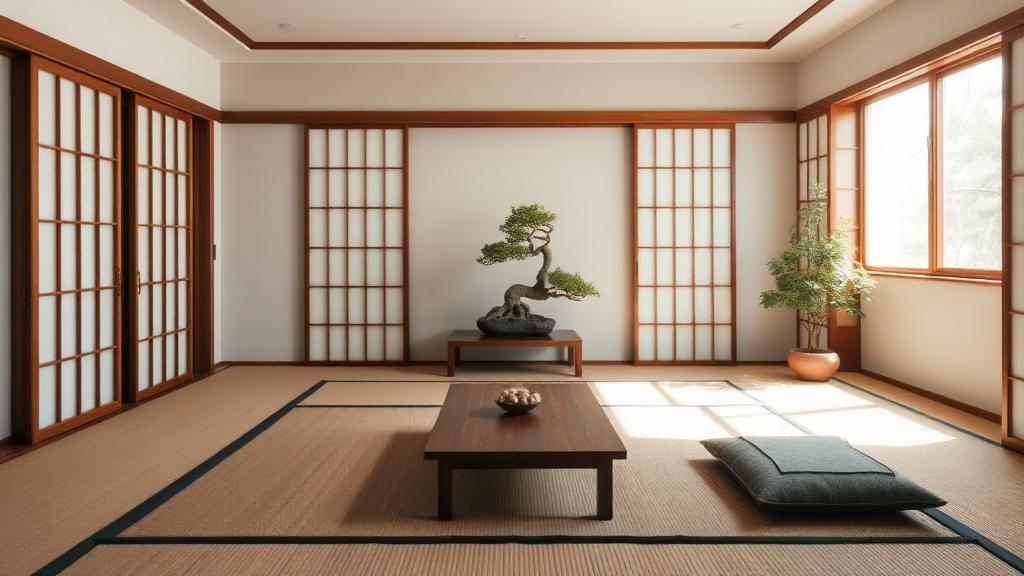
| 25–35 dB | Very quiet | Bedrooms, meditation |
| 35–45 dB | Quiet | Home offices, living rooms |
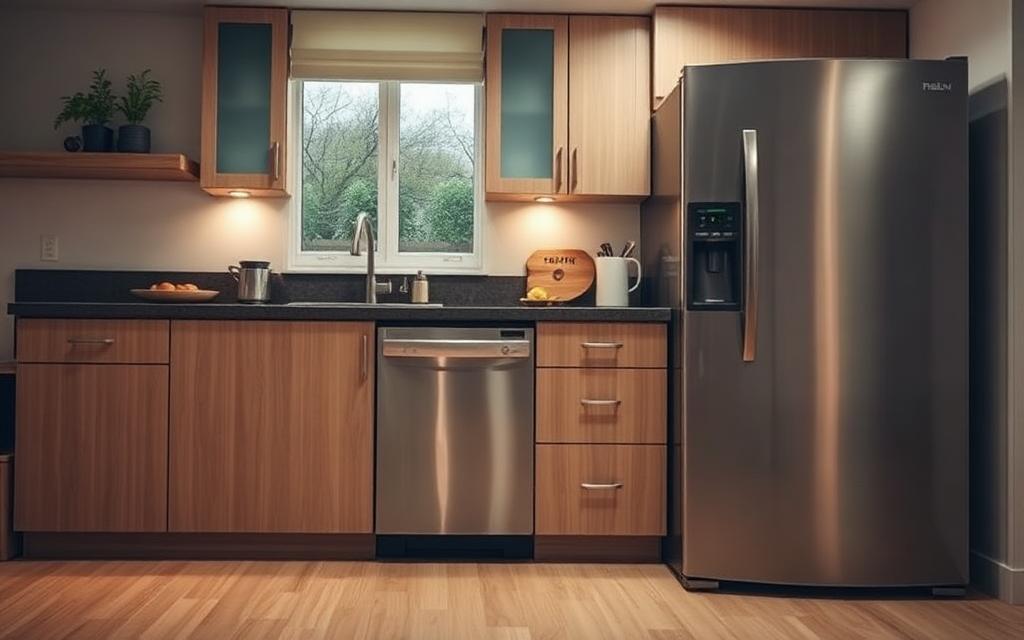
| 45–55 dB | Moderate | Kitchens, casual spaces |
| Above 55 dB | Noisy | Needs attention |
A lower noise floor means more dynamic range — you can hear soft sounds clearly and do not need to raise your voice. Rooms with noise floors above 50 dB feel perpetually stressed because occupants unconsciously compete with the background.
Learn more about ideal levels in our guide on what is a normal noise level inside a home.

Reverberation: The Character
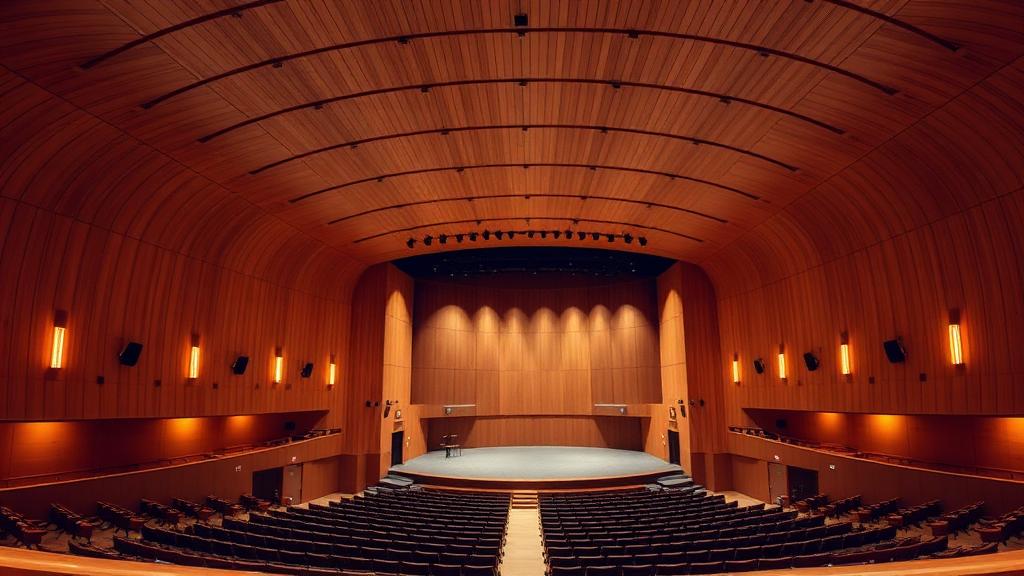
Reverberation gives a room its "character." Too much and the room sounds echoey and institutional. Too little and it feels dead, oppressive, and claustrophobic.
The sweet spot for most home rooms is an RT60 between 0.3 and 0.7 seconds. In this range:
- Speech is clear and intelligible
- Music sounds warm but defined
- The room feels naturally "alive" without echo
- Background sounds blend smoothly rather than bouncing harshly
If your room has too much reverberation, our guide on why rooms echo and how to fix it covers the solutions in detail.
Frequency Balance: The Tone
Sound consists of frequencies ranging from deep bass (20 Hz) to high treble (20,000 Hz). A good room reproduces all frequencies relatively evenly. A bad room amplifies some frequencies and absorbs others, creating:
- Boominess — excessive low-frequency buildup, especially in corners and near walls
- Harshness — prominent mid-high frequencies reflecting off hard surfaces
- Muddiness — overlapping low-mid frequencies that obscure detail
Common Frequency Problems
- Square rooms amplify specific bass frequencies (room modes) that create "boomy" spots
- Large glass surfaces reflect high frequencies, creating brightness and harshness
- Thin walls resonate at specific frequencies, adding coloration
- Hard parallel walls create flutter echo — a buzzing, metallic quality
Sound Distribution: The Evenness
In a well-designed room, sound quality is consistent throughout the space. In a poorly designed room, some positions sound great while others have excessive bass, echo, or dead spots.
This matters for:
- Conversation — everyone at a dinner table should hear clearly
- Music — the listening experience should not depend on where you sit
- Video calls — your voice should sound consistent regardless of where your mic is

How does your room rate? [Get an instant noise measurement with SnapRoomScore](/) and start evaluating your space.
What "Bad" Room Sound Feels Like
Bad room sound is not always obvious. You might not consciously notice it, but it affects you:
The Hollow Room
Large, empty spaces with hard surfaces. Voices echo, footsteps ring, and there is a constant "livenes" that creates fatigue. Common in new apartments before furniture arrives.
The Boomy Room
Excessive bass buildup in corners and along walls. Music sounds muddy, male voices are exaggerated, and there is a low-frequency "pressure" that feels uncomfortable.
The Harsh Room
Too many reflective surfaces — glass, tile, metal. High-frequency sounds bounce sharply, making the space feel clinical and cold. Kitchens and bathrooms often have this quality.
The Dead Room
Over-treated or heavily carpeted with thick curtains everywhere. Sound stops unnaturally fast, the room feels oppressive, and people unconsciously raise their voices. Too much absorption is as problematic as too little.
How to Evaluate Your Room
Quick Tests
- Clap test — clap once and listen for ringing or flutter
- Voice test — speak normally and notice if your voice sounds natural
- Walking test — walk around and notice if the sound changes dramatically by position
- Music test — play familiar music and listen for muddiness, harshness, or echo
Measurement
Use SnapRoomScore to measure your noise floor. This gives you an objective baseline. Compare readings at different times of day and in different positions within the room.
Improving Room Sound Quality
The good news: most room sound problems are solvable with common-sense changes.
For Too Much Echo/Reverberation
Add soft furnishings — rugs, curtains, upholstered furniture, cushions. See our guide on reducing echo.
For Excessive Noise Floor
Identify and address noise sources — seal windows, service HVAC, add weather stripping. Read about reducing room noise.
For Boomy Bass
Move furniture away from corners. Add bass traps (even DIY corner treatments help). Avoid placing speakers directly against walls.
For Harsh Sound
Soften reflective surfaces. Add curtains over large windows. Use area rugs on hard floors. Learn more in our guide on improving acoustics without expensive panels.
For Dead Sound
Remove some absorption. Replace heavy curtains with lighter ones. Mix reflective and absorptive surfaces for a natural balance.
The key principle: balance. The best-sounding rooms have a thoughtful mix of absorption, reflection, and diffusion.
For the complete picture, read our pillar guide to room noise, echo, and acoustic quality.
Take the first step. [Measure your room with SnapRoomScore](/) — free, instant, and completely private.
FAQ
What makes a room sound good?
A good-sounding room has a low noise floor (under 35 dB), moderate reverberation (0.4–0.6s RT60), even frequency response without boomy bass or harsh treble, and no flutter echo. It feels natural and comfortable.
Why does my room sound hollow?
A hollow sound indicates excessive reverberation, usually caused by bare walls, hard floors, and insufficient furniture. Sound reflects too many times before being absorbed, creating a 'ringy' quality.
Can room shape affect sound quality?
Yes. Square rooms and rooms with parallel walls create standing waves and flutter echo. Rectangular rooms with a ratio of approximately 1:1.4:1.9 provide the most even sound distribution.